
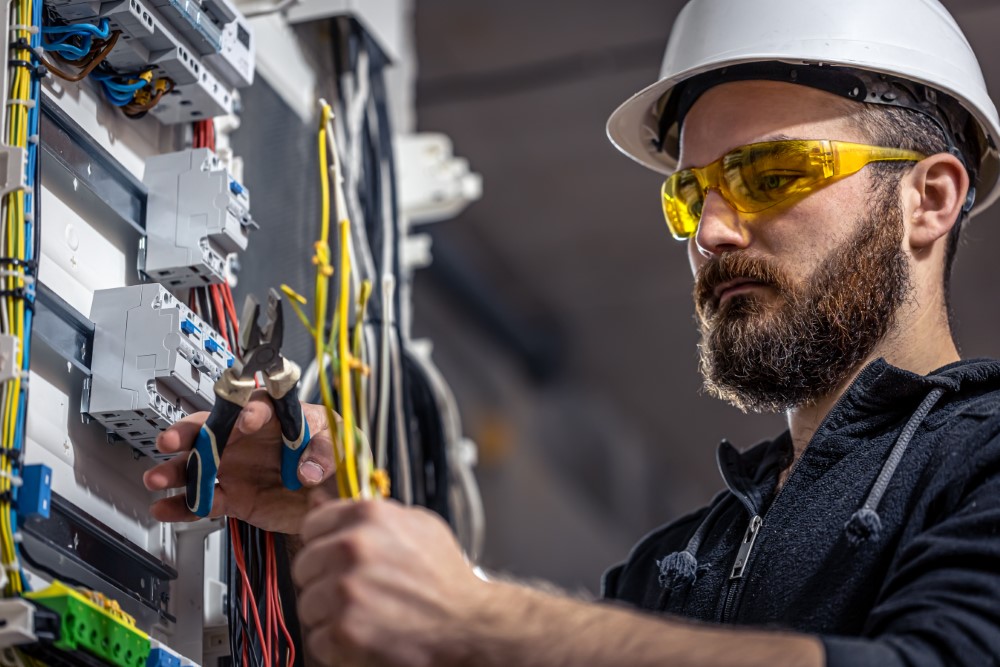
What is an Electrical COC?
In South Africa, an Electrical Certificate of Compliance (COC) is more than just a fancy piece of paper. It essentially proves that your electrical installation is safe and complies with national standards. This certificate is crucial for anyone dealing with electrical systems, whether you’re a homeowner, a business owner, or a contractor.
When Do You Need an Electrical COC?
There are specific times when obtaining an Electrical COC is not just a good idea—it’s a legal requirement. Let’s break down when you should get one:
- New Installations: Anytime you install new electrical wiring, a COC is necessary to ensure everything is up to code.
- Major Renovations: If you’re renovating and expanding your electrical systems, you’ll need a COC to cover the changes made.
- Real Estate Transactions: Selling or buying a home? A valid COC is often required to finalize the sale.
- Insurance Purposes: Many insurance companies require a COC for your property to be fully covered.
- Periodical Inspections: Keeping electrical systems safe is a continual process, and having a COC can help with regular inspections.
Case Study: The Smith Family Home
Meet the Smith family. They recently bought a charming home in the suburbs of Johannesburg. As part of the purchase agreement, they were required to obtain an Electrical COC. The seller had no certificate, which led to a delay in the transfer process. After hiring a qualified electrician to inspect the home, they discovered several safety hazards. Thanks to the inspection, the Smiths could address these issues before moving in, ensuring a safe environment for their family.
How to Obtain an Electrical COC
Getting an Electrical COC is straightforward if you follow a few clear steps:
- Hire a Qualified Electrician: Ensure the electrician is registered and has the proper credentials to issue a COC.
- Schedule an Inspection: The electrician will evaluate your installation based on the South African National Standards (SANS).
- Make Necessary Repairs: If any issues are discovered, address them promptly. Safety first!
- Receive Your Certificate: Once everything is compliant, your electrician will issue the COC.
Tips for Homeowners and Business Owners
Here are some helpful tips to keep in mind:
- Keep Records: Maintaining documentation of previous COCs can make future transactions smoother.
- Routine Inspections: Schedule regular inspections to avoid potential hazards and ensure compliance over time.
- Choose COC Early: If you’re planning any electrical work, factor in the time to obtain a COC in your project timeline.