
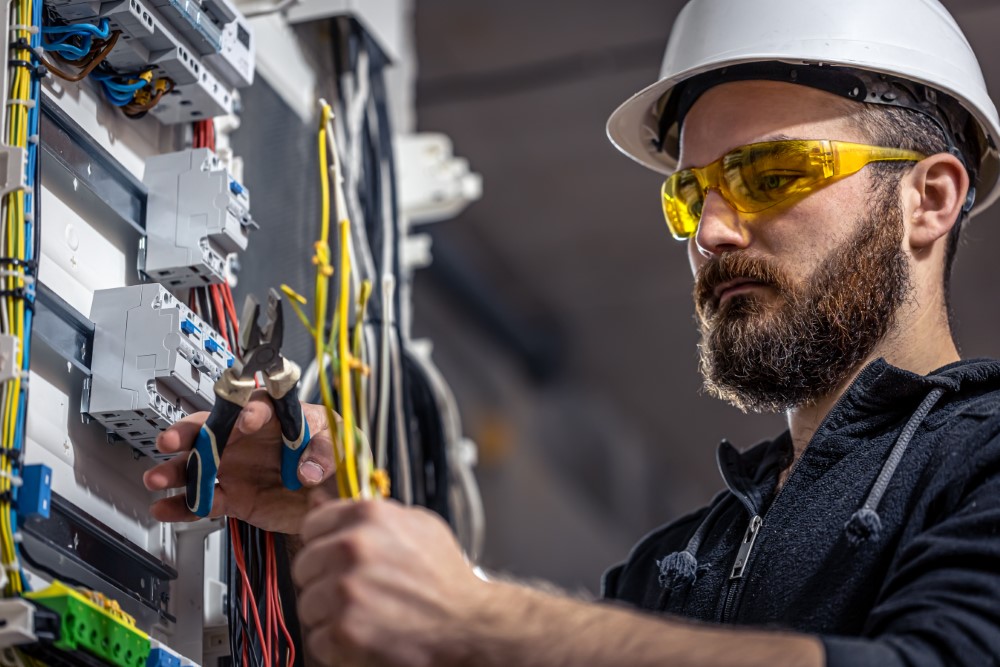
Imagine it: You’re ready to plug in your device, but nothing happens. The frustration mounts as you wonder if it’s the appliance, the plug, or the socket itself. Fear not! We’re here to guide you through pinpointing the problem and getting everything back on track. Let’s dive in!
Understanding Your Plug Socket
In South Africa, our standard plug sockets use the Type M and Type C plugs. Knowing which type you have can help narrow down the issue. A non-functional socket could be due to one or several reasons:
- Electrical fault
- Loose connections
- Overloading
- Faulty wiring
Step-by-Step Troubleshooting
1. Check the Appliance
Start simple! Plug another device into the suspect socket. If it works, the original device may be at fault. If it doesn’t, it’s time to investigate further.
2. Inspect the Plug
Ensure the plug of your appliance isn’t damaged. Look for any signs of burning or frayed wires. A damaged plug is not only ineffective but also dangerous!
3. Examine the Socket
Look carefully at the socket itself. Sometimes, dust or dirt can accumulate inside, obstructing the connection. Give it a gentle clean, but ensure the power is off first!
4. Test the Circuit
If the plug and appliance are both fine, check your circuit. Flip your circuit breaker to ensure nothing has tripped. If you frequently experience this, consider distributing the electrical load more evenly across different sockets.
5. Call a Professional
If you’ve gone through these steps and still face issues, it might be time to bring in the experts. Qualified electricians are trained to handle these situations safely and effectively. In South Africa, you can find licensed professionals through sites like ELECsa.
A Quick Case Study
Let’s say a family in Cape Town experienced issues with their living room socket. Initially, they thought their TV was the problem. After testing and confirming the TV worked in another room, they began troubleshooting the socket. They discovered loose wiring behind the socket—a potential fire hazard! After contacting a local electrician, the issue was resolved, and the family learned the importance of regular electrical checks.
When to Hire a Professional
While DIY troubleshooting can save you time and money, always prioritize safety. If you’re unsure about the issue or if there are signs of burning smells, sparks, or melting plastic, call a professional immediately. Your safety is paramount.
Final Thoughts
Now that you’re armed with the knowledge to troubleshoot socket issues, you’ll be prepared to handle any electrical hiccup that comes your way. Remember, it’s essential to stay diligent and proactive about your home’s electrical systems.
So the next time you face a non-functional plug socket, don’t panic. Use these tips to investigate, evaluate, and get your devices back online. And if all else fails, don’t hesitate to seek professional help. Happy troubleshooting!