
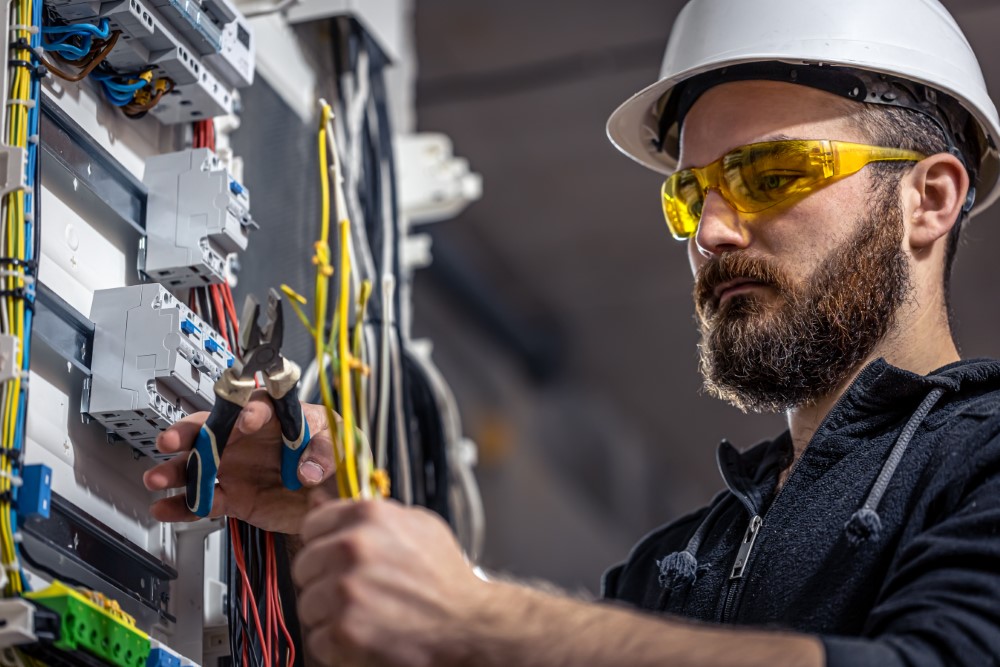
Electrical faults can be a major headache, especially if you’re running a business or managing a home in South Africa. From tripped circuit breakers to flickering lights, identifying these issues swiftly is essential to maintaining safety and ensuring minimal disruption. Let’s dive into some effective methods for pinpointing electrical faults.
1. Visual Inspection: The First Line of Defense
Often, a simple look around can reveal obvious problems. Check for:
- Frayed wires and loose connections
- Burn marks on sockets and plugs
- Any unusual sounds like buzzing or crackling from appliances
Don’t underestimate the power of a keen eye—many faults can be spotted before even turning on a multimeter!
2. Use of Multimeters
A multimeter is a handy tool that can help you measure voltage, current, and resistance. Here are some quick tips on how to use it:
- Set your multimeter to the appropriate setting based on what you want to measure (AC or DC).
- Always ensure you’re following safety protocols—work with one hand if possible to reduce the risk of electric shock.
- Measure resistance on circuits that are powered off.
This device is virtually essential for anyone involved in troubleshooting electrical systems. If you don’t have one, consider investing in a reliable model!
3. Thermal Imaging Cameras
This method might sound high-tech, but thermal imaging cameras can spot hotspots indicating electrical faults. This allows you to identify failing components before they become catastrophic failures.
In South Africa, many companies specializing in maintenance have started to adopt this technology because it saves time and reduces risk. Imagine inspecting a facility and identifying issues instantly—it’s a game-changer!
Real-World Example: A Warehouse Turnaround
A local electronics warehouse noticed frequent power outages and equipment malfunctions. Conducting a comprehensive electrical inspection revealed that poor connections in the wiring were causing hotspots. After identifying the problem with a thermal camera and replacing faulty components, they significantly reduced downtime and improved operational efficiency.
4. Circuit Tracers
When it comes to tracing circuits, a circuit tracer can make your life a lot easier. This tool allows you to follow a wire from the breaker panel to the outlet. It’s particularly useful in older buildings where electrical layouts might be confusing. Here’s a little tip: always ensure the breaker is off when using this tool to avoid shocking surprises!
5. Consulting Professionals
If you’re ever in doubt, don’t hesitate to consult a licensed electrician. They have the experience and tools that are sometimes beyond the average DIY’er. Many electrical service providers in South Africa offer assessment services that fit various budgets, so it’s worth considering if you’re facing recurring issues.
Final Thoughts
Staying proactive about electrical maintenance can reduce risks and save money in the long run. Whether it’s through visual inspections, using multimeters, or even reaching out to professionals, identifying electrical faults doesn’t have to be daunting. Adopt a vigilant approach, and take those small steps today to ensure a safe environment around you. Happy troubleshooting!
Want to learn more about electrical safety and fault identification? Check out Electrical Association South Africa for resources and training opportunities!