
Living in South Africa, we all know that our electricity supply can sometimes be a bit unreliable. From load shedding to infrastructure challenges, low voltage issues can sneak up on us. But how can you tell if you are facing low voltage problems in your home or business? Let’s dive into the signs, why they happen, and what you can do about it.
What is Low Voltage?
Low voltage occurs when the electrical supply delivered to your devices is below the optimal level, typically under 220 volts in South Africa. This can cause appliances to underperform or even malfunction. Understanding the symptoms of low voltage can help you avoid costly repairs and ensure your home runs smoothly.
Common Signs of Low Voltage Issues
1. Flickering Lights
Are your lights flickering at odd intervals? This is often the first sign of low voltage. It can be particularly noticeable with fluorescent lights. Flickering not only disrupts your peace but can also indicate that your electrical system is struggling.
2. Dimming Lights
If you notice that your lights dim when you turn on other appliances, it’s time to take action. This means that your circuit is getting overwhelmed, and that’s a classic symptom of low voltage. Check your electrical load and reduce unnecessary usage if needed.
3. Appliances Underperforming
Is your fridge not cooling as it should, or is your microwave taking longer to heat up food? These issues can stem from insufficient voltage to power these appliances efficiently. It’s not just frustrating; it can lead to premature appliance failures.
4. Increased Energy Bills
Ironically, low voltage can lead to higher energy consumption as appliances work harder to operate. If you’re noticing an unusual spike in your electricity bill, check for low voltage symptoms.
Addressing Low Voltage Issues
Consult a Qualified Electrician
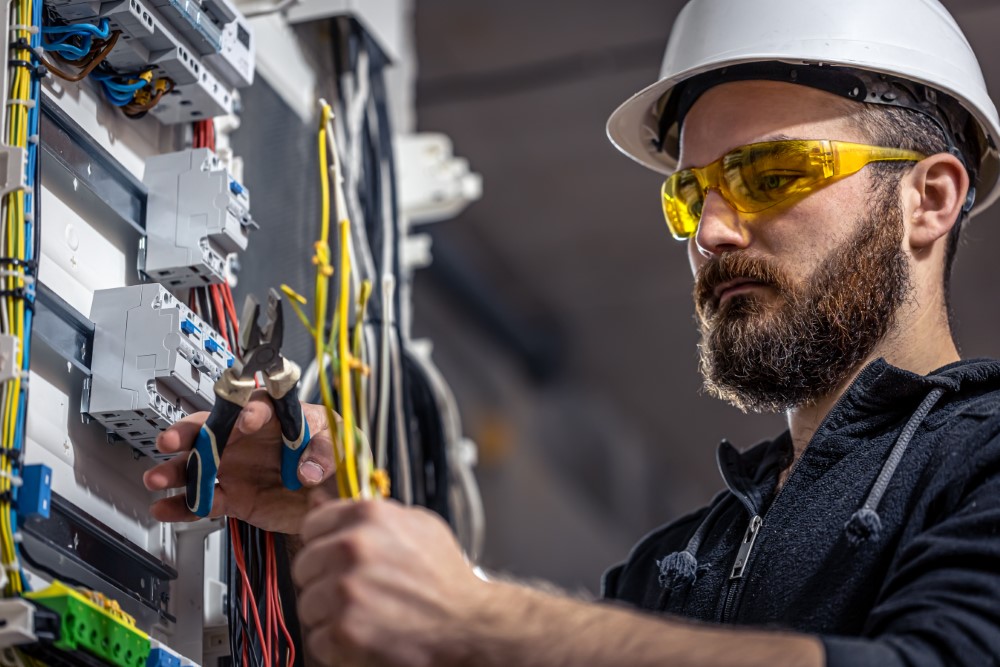
The best way to fix low voltage problems is to consult with a Certified Electrician in your area. They can conduct a thorough inspection and identify whether it’s a wiring issue or something related to external supply.
Inspect Your Circuit Breaker
Your circuit breaker may be tripped or faulty. Checking it can be a quick way to resolve some low voltage symptoms. Always ensure you and your family are safe when checking any electrical components.
Case Study: A Typical South African Home
Meet Sarah, a homeowner in Johannesburg. She faced frequent flickering lights and appliances that just didn’t work as expected. After doing some research, she discovered signs of low voltage. A licensed electrician discovered that a faulty transformer supplying her neighborhood was dropping the voltage. The issue was repaired, and Sarah has enjoyed consistent electricity ever since!
What You Can Do Right Now
If you recognize these low voltage signs in your home, don’t wait until it’s too late. Take the time to assess your electrical system, reach out for professional help, and ensure your safety. After all, a well-functioning electrical system not only supports your appliances but enhances your living experience!
There’s no harm in being proactive. By identifying low voltage issues early, you save yourself the headache of dealing with bigger, costlier problems down the line. You have the power to ensure your home remains a haven of comfort and safety.