
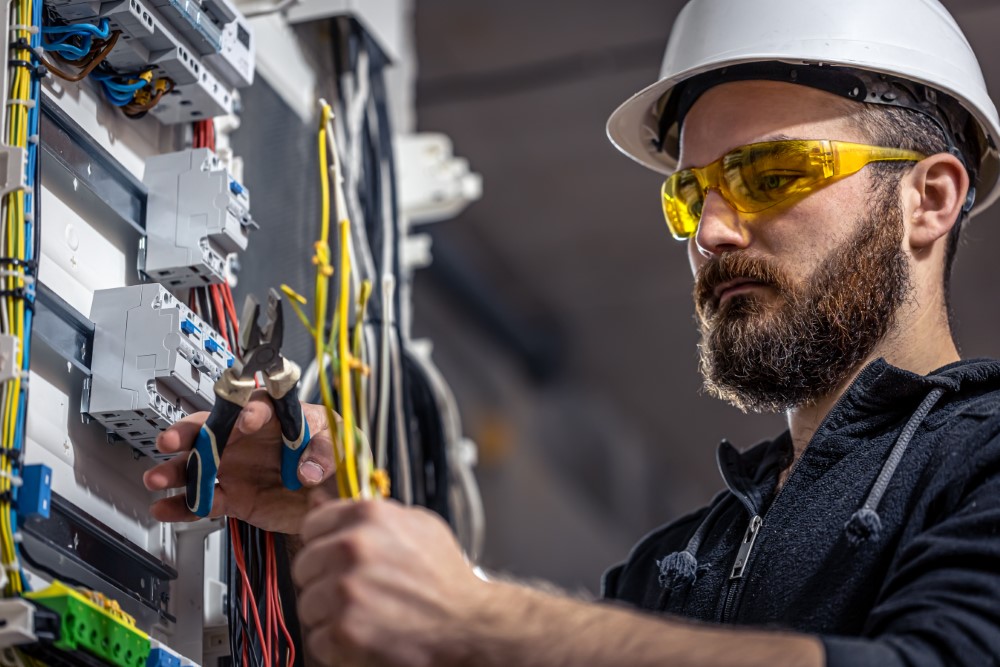
Welcome, fellow DIY enthusiasts! If you’re in South Africa and have been experiencing flickering lights or tripping circuits, you might have some faulty wiring on your hands. No need to stress, though—we’ll walk you through the process of fixing it!
Understanding Faulty Wiring
Faulty wiring is more common than you think. Whether it’s due to wear and tear or poor installation, identifying the issue is half the battle. Remember, safety always comes first; never forget to switch off the main power before starting any electrical work!
Gather Your Tools
Before diving in, ensure you have the following tools and materials:
- Insulated screwdrivers
- Wire strippers
- Voltage tester
- Electrical tape
- Replacement wiring or connectors
Step-by-Step Guide
1. Turn Off Power
Begin by turning off the main power supply. This is crucial to avoid any electric shocks.
2. Identify the Problem Area
Use your voltage tester to check the outlets and light fixtures for current. If there’s no power, you may have a break in the wire.
3. Inspect Connections
Check junction boxes for loose or damaged wires. Tighten any connections that don’t seem secure.
4. Remove Damaged Wire
If you identify a damaged section of wire, use wire strippers to remove it. Make sure to cut away any frayed ends.
5. Install New Wiring
When installing new wiring, make sure it’s rated for the electrical load you’ll be using. In South Africa, look for wire conforming to the SANS specifications.
6. Secure Everything
Once you’ve made your connections, wrap any exposed areas with electrical tape and secure all fixtures back in place.
7. Test Your Work
Switch the power back on and test the area for functionality. Make sure everything is working before you go back to your daily routine!
A Real-Life Example
Let’s consider a woman named Thandi from Johannesburg. Thandi noticed her lights flickered whenever she used her microwave. After a quick inspection, she found that the wiring behind her microwave was frayed and loose. Following this guide, she easily replaced the wiring and fixed the problem. Now, she can cook without fear of a blackout!
When to Call a Professional
While DIY is fun, sometimes it’s best to bring in the pros. If you’re ever in doubt or face complex issues like electrical code violations, it’s wise to consult a licensed electrician in your area.
Safety Tips
Here are a few extra tips to keep in mind while working:
- Always work with one hand when testing circuits to minimize shock risks.
- Use insulated tools.
- Double-check that the power is off before beginning any work.