
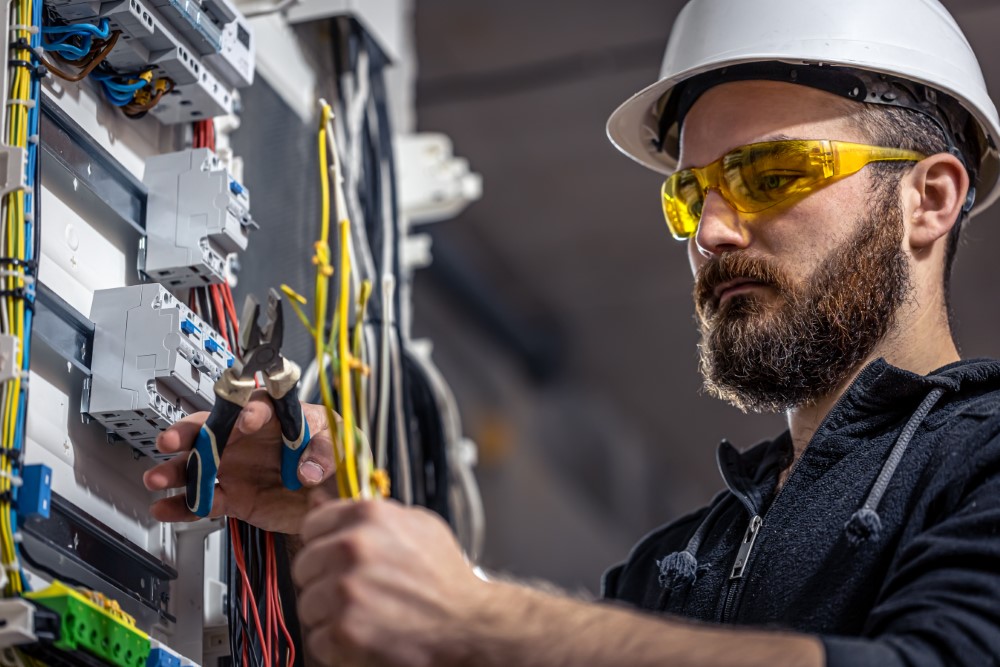
When it comes to our homes and businesses in South Africa, safety is paramount. Electrical faults can cause serious issues like fire hazards, damage to equipment, and even serious injuries. But don’t worry! In this guide, we’ll explore the most common electrical faults and how to detect them. Plus, you’ll gain actionable tips to ensure your spaces remain safe and energy-efficient.
Understanding Electrical Faults
Electrical faults refer to any abnormal condition in an electrical system which can lead to hazardous situations. The most common types include short circuits, overloads, and ground faults. Let’s take a closer look.
1. Short Circuits
A short circuit occurs when electrical current travels along an unintended path, often leading to overheating. This can be caused by damaged insulation or faulty appliances.
2. Overloads
Overloads happen when the demand for electricity exceeds the capacity of the circuit, potentially tripping breakers or blowing fuses. Be mindful if you notice frequent interruptions in power.
3. Ground Faults
A ground fault occurs when the electrical current strays from its intended path and encounters the ground. This is particularly dangerous in wet areas, such as bathrooms and kitchens.
How to Detect Electrical Faults
Detecting electrical faults can be straightforward if you know what to look for. Here are some tips and signs to keep in mind:
Look for Visible Signs
Check outlets and cords for discoloration or melted areas. This could indicate overheating. Also, pay attention to flickering lights or appliances that suddenly stop working.
Use a Multimeter
A multimeter is a handy tool for measuring voltage and current. It’s easy to use and can help you identify faults quickly. For South African readers, local hardware stores often have affordable options. Just ensure you’re comfortable using one, as this will involve electrical measurements.
Annual Electrical Inspections
Scheduling regular inspections with certified electricians can catch problems early. Many South African households take this step, especially before winter when usage spikes. It’s a proactive measure that can save you stress and money in the long run.
A Case Study: The Power of Prevention
Let’s consider a family in Johannesburg. They noticed their lights flickered whenever they turned on the kettle. Instead of brushing it off, they called an electrician who discovered an overloaded circuit. By upgrading their system, they averted what could have been a stressful and hazardous situation.
Tips for Maintaining Electrical Safety
Here are some actionable tips to ensure your electrical systems are safe and efficient:
- Unplug devices when not in use, especially high-wattage items.
- Install surge protectors to guard against sudden voltage spikes.
- Keep cords away from water and don’t run them under carpets.
- If you’re unsure, always consult a certified electrician. It might save you from bigger headaches later!
Final Thoughts
Staying proactive about electrical safety plays a crucial role in protecting your home and family. Take the time to inspect, learn, and consult professionals when necessary. Your awareness and actions today can make a significant difference in enjoying a safe electrical environment tomorrow. Why not take a moment to check your home lighting or plan that inspection? Safety truly starts with you!