
Inverters play a vital role in ensuring that your electrical devices receive consistent power, especially in South Africa, where load shedding has become a daily reality. However, many inverter users often encounter problems that lead to power supply failures. Let’s dive into some of the common reasons these hiccups occur, and how you can troubleshoot them.
1. Insufficient Battery Capacity
A common issue that circulates in South Africa is the mismatch between the inverter and battery capacity. Many users opt for smaller batteries initially, leading to rapid depletion. Always choose a battery that can handle the power needs of your inverter.
Tip: Make sure to consult with a local supplier to find the right battery size for your specific inverter model. If in doubt, select a battery with a slightly higher capacity than you think you’ll need.
2. Overloading the Inverter
Another frequent pitfall is exceeding the inverter’s rated capacity. Plugging in too many devices can cause the inverter to fail, leading to power interruptions. Remember, each appliance has a power rating, and it’s crucial to keep track of these.
Actionable Advice: List all your devices and their power ratings, then calculate the total wattage to ensure it doesn’t exceed your inverter’s capacity. It’s like forming a team; everyone has to play their part without overstepping!
3. Poor Ventilation
Inverters generate heat, and without adequate ventilation, they may overheat and shut down. This is especially important during South Africa’s scorching summer months. Blocking airflow can lead to costly damage and inconvenience.
Tip: Install your inverter in a well-ventilated area, ideally away from direct sunlight or heat sources. A little planning can save you a lot of hassle down the line.
4. Inverter Firmware Issues
Just like smartphones need updates, inverters may require firmware updates to operate efficiently. Neglecting updates can lead to efficiency issues that may manifest as power failures.
Actionable Advice: Regularly check with your inverter manufacturer’s website for any updates and follow their guidance for installation.
5. Wiring Problems
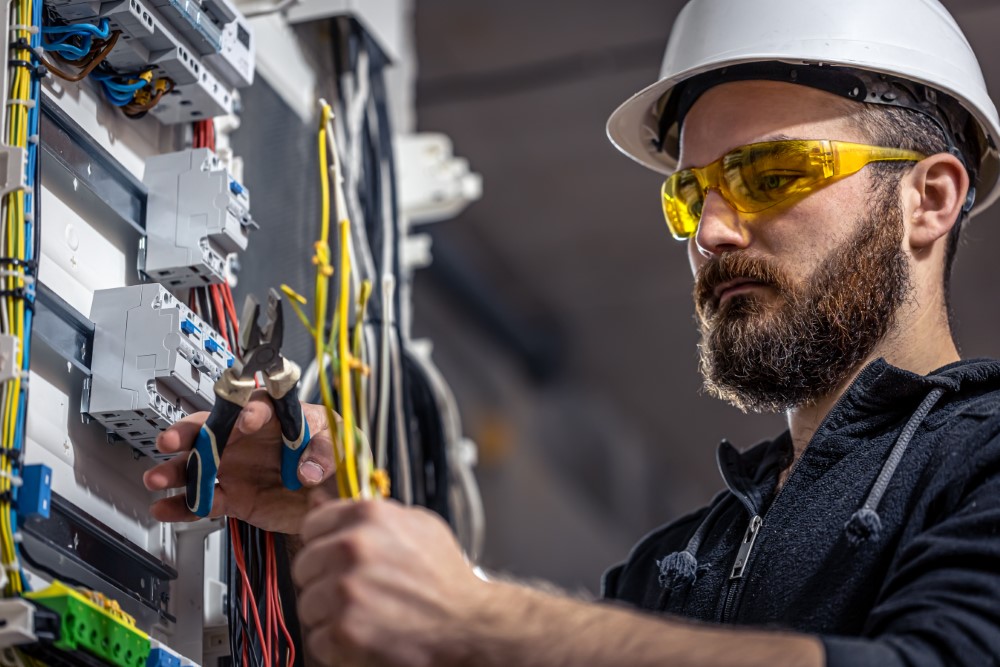
Faulty wiring can be a hidden enemy. Loose connections, damaged cables, or incorrect sizing can all result in power failures. South Africa has diverse weather conditions, and this can exacerbate wire issues.
Tip: Hire a qualified electrician to inspect your wiring, especially after heavy rains or storms. Safety first!
Case Study: The De Villiers Family
Take the De Villiers family from Pretoria, for example. They invested in a state-of-the-art inverter system to mitigate load-shedding woes, but soon found themselves in darkness. Upon inspection, it was clear that their smaller battery could not keep up with the demands of their lifestyle. After upgrading their battery, they noticed a significant improvement—not a single blackout since!
6. Aging Equipment
Like anything else, inverters have a lifespan. If your system is older, components may start to fail or become less efficient over time. Regular maintenance checks will help mitigate unexpected issues.
Actionable Advice: Schedule an annual check-up with a professional to ensure all components are in good condition. An ounce of prevention is worth a pound of cure!
Take Charge of Your Power Needs
Understanding the common pitfalls of inverter power supply is the first step towards a hassle-free experience. By staying proactive and informed, you can ensure that your power needs in South Africa are met without unnecessary interruptions.
So why wait? Get familiar with your inverter system today, and feel free to reach out to local professionals for advice or queries. Empower yourself and stay powered up!