
Imagine a warm evening in Johannesburg, and suddenly, the lights go out. In moments like these, a generator can be a lifesaver. But what happens when your generator fails to connect properly? Let’s dive into some common issues and how to tackle them, ensuring you can rely on your backup power source when needed most.
Understanding Connection Basics
A good starting point is to understand how generator connections work. Generally, you’ll be connecting your generator to your home’s electrical system. This typically involves a transfer switch that isolates the generator from the utility supply, ensuring safety for both you and utility workers.
1. Poor Wiring Connections
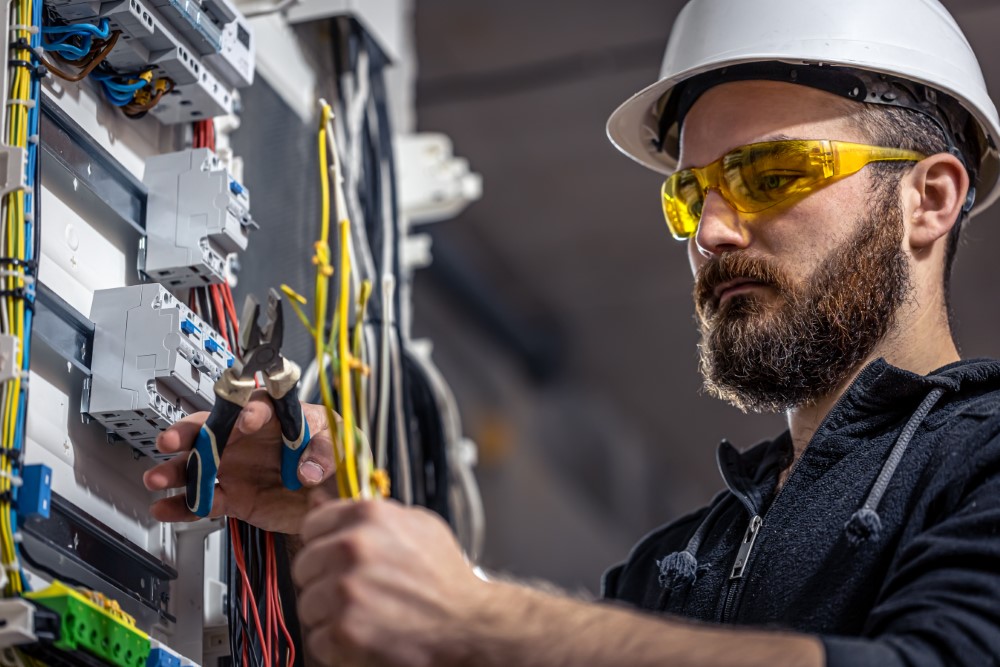
One of the most common issues is poor wiring. Over time, connections can loosen or corrode, resulting in an unreliable electricity supply.
Tip: Regularly inspect your wiring and connections. Use electrical grease to prevent corrosion and ensure connections are tight. Not sure where to start? You might want to check out a local hardware store for supplies.
2. Inadequate Generator Size
Another frequent issue is using an undersized generator. If you’re trying to power your entire house with a small unit, you’re bound to run into trouble.
Actionable Advice: Calculate your power needs before purchasing a generator. This involves adding up the wattage required by all devices you want to run, and then choosing a generator that exceeds that total.
3. Fuel Issues
In South Africa, fuel quality can vary, leading to connection problems. Contaminated or old fuel can make it hard for the generator to run smoothly.
Tip: Always use fresh fuel and consider adding a fuel stabilizer if you plan to store it for a while. This can save you from many headaches down the line.
4. Transfer Switch Malfunctions
The transfer switch is a crucial component for safe operation. If the switch is faulty, the generator won’t connect to your home system properly.
Quick Fix: If you suspect the transfer switch is faulty, it’s best to consult a professional electrician. Regular maintenance can help avoid costly repairs.
Case Study: Load Shedding in Cape Town
During a recent bout of load shedding in Cape Town, a family relied on their generator to keep their refrigerator and lights running. Unfortunately, they discovered the hard way that their generator couldn’t handle the load because it was undersized. They ended up having to turn off essential appliances, which made for a cold supper.
This experience highlighted the importance of understanding your power needs. Now, they’ve upgraded to a generator that meets their requirements, ensuring that they stay comfortable no matter the situation.
What You Can Do
Now that you know some common generator connection issues, it’s time to take charge. Regular maintenance, correct sizing, and ensuring quality fuel can make all the difference in the effectiveness of your generator. If you’re uncertain, don’t hesitate to reach out to a local professional for advice.
Finally, be proactive in learning. Inform yourself about the latest in generator technology and maintenance techniques. You can explore resources like electrical.co.za for tips tailored specifically for the South African context. Remember, being prepared means you can keep your lights on, even when the world outside goes dark.
Here’s to never being left in the dark again!