
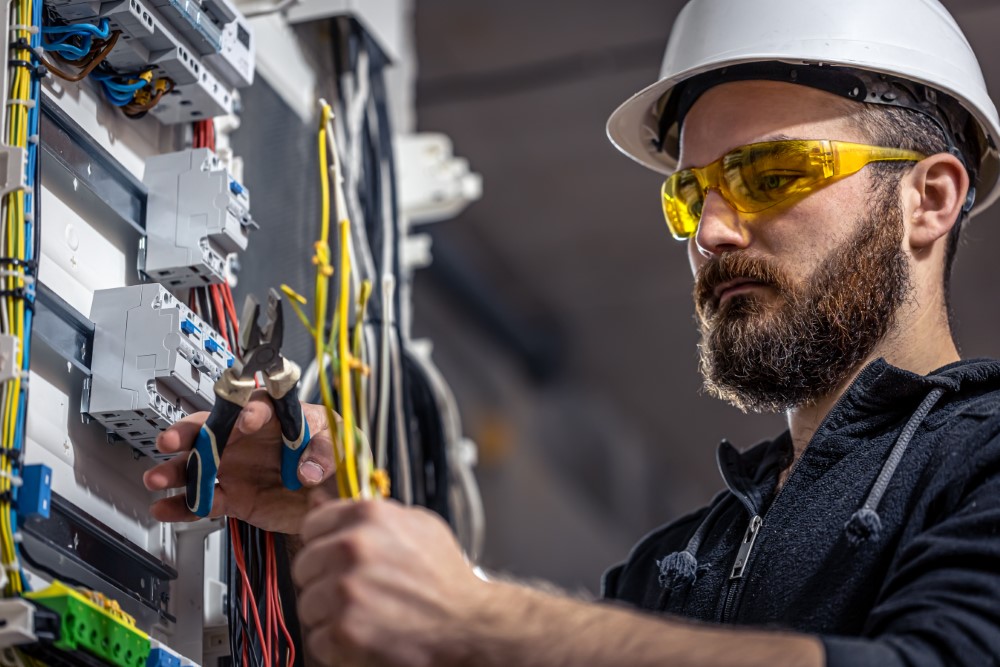
Faulty plug sockets can be a real headache, not just for your home appliances but also for your peace of mind. In South Africa, where electricity is an essential part of daily life, knowing the common causes of faulty sockets is vital for any homeowner. Let’s dive into the topic and explore actionable advice to keep your home safe!
1. Wear and Tear
Over time, plug sockets can wear out. Regular use can lead to loose connections, which may result in intermittent power. It’s particularly common in high-traffic areas, like living rooms, where gadgets are frequently plugged in and out.
Tip:
Consider replacing older sockets or using smart technology that can handle the wear better. Look for products that offer durability and have good reviews on platforms such as Takealot or Shoprite.
2. Overloading Sockets
With so many devices vying for attention, it’s tempting to overload a single socket. Plugging multiple high-wattage devices into one socket can not only cause malfunction but also present fire hazards.
Tip:
Use a power strip with overload protection, and ensure to distribute your devices across different sockets to prevent overloading any one socket.
3. Poor Installation
In South Africa, some older homes still have original wiring, which might not support modern electrical needs. If your sockets were installed incorrectly, you may experience frequent issues. A poorly fitted socket can lead to loose connections and arcing, a serious fire hazard.
Case Study:
Consider a family in Cape Town who started experiencing frequent outages in their living room. They called in an electrician, only to find that the previous installation was shoddy and used outdated wiring. By upgrading their wiring and installing new, quality sockets, they eliminated the problem and made their home safer.
4. Dust and Debris
Dirt can build up in sockets over time, leading to bad connections or even short circuits. In areas prone to dust, like semi-rural locations, this can become a persistent issue.
Tip:
Regularly clean your sockets with a dry cloth and never attempt to clean them while they are in use. For hard-to-reach areas, consider using compressed air to blow out any dust.
5. Faulty Appliance Connection
Sometimes, the issue isn’t the socket at all, but rather the appliance being used. A damaged plug can cause a socket to short-circuit or work intermittently. Always pay attention to the condition of your plugs as well.
Tip:
Inspect your plugs regularly, looking for signs of wear and tear, such as frayed wires or burnt ends. Don’t hesitate to replace any damaged plugs—they’re usually a quick fix!
6. Weather Influences
South Africa’s climate can lead to issues, especially with outdoor sockets. Rain or humidity can affect outdoor installations, leading to corrosion or short circuits.
Tip:
Make sure outdoor sockets are weatherproof and installed by professionals. Always use a qualified electrician for outdoor work to ensure safety.
Understanding these common causes of faulty plug sockets can help you not only troubleshoot issues but also prevent them. Regular maintenance and mindful usage go a long way. Your home deserves safe and reliable power!
So, why wait? Take a moment to inspect your outlets today. A little proactive care can save you from bigger headaches tomorrow. If you have any concerns or doubts, don’t hesitate to consult a qualified electrician for peace of mind and safety. Stay charged up and safe!