
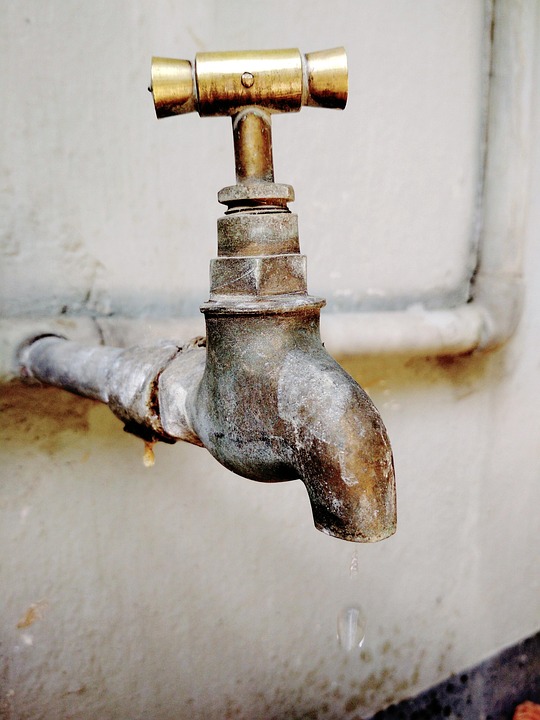
Ever experienced that moment in the shower when the water pressure drops, leaving you feeling like you’re under a leaky tap? It can be a frustrating experience, especially in a country like South Africa where the climate and water resources can be unpredictable. Understanding the causes of uneven water pressure can help you tackle the problem effectively. Let’s dive in!
What Is Water Pressure?
Water pressure is the measure of force that’s pushing water through your plumbing system. Ideal water pressure makes showering, washing dishes, and watering the garden a breeze. When it’s uneven, it can turn these everyday tasks into a hassle. So what causes this issue?
Common Causes of Uneven Water Pressure
1. Pipe Size and Design
Older homes in South Africa often have narrow pipes that simply can’t handle the demand of multiple outlets. If too many taps are open—like during peak evenings—this can lead to a significant drop in pressure.
2. Blocked Pipes
Over time, mineral deposits, rust, and other debris can accumulate in your pipes. This accumulation can restrict water flow, resulting in uneven pressure. Regular maintenance is key here! Consider having a plumbing inspection every few years.
3. Pressure Regulator Issues
If your home has a pressure regulator—a common feature in Jozi and other urban areas—any malfunction can lead to erratic water pressure. These devices modulate the pressure to prevent bursting pipes, but they can wear out over time.
4. Water Supply Issues
South Africa’s water supply can be affected by various external factors. During droughts or maintenance times, the municipal water pressure may drop, affecting your home’s output. It’s always good to stay informed on local water management updates.
5. Leaks
Hidden leaks can be sneaky culprits of uneven water pressure. A leak in the system can divert water flow, leading to pressure drops in certain areas. Regularly check for damp spots or mold in your home, especially near plumbing fixtures.
Case Study: The troubled shower in Cape Town
Susan, a resident of Cape Town, experienced extremely low pressure in her shower every morning, despite having no issues with her kitchen faucet. After a little detective work, she discovered that her showerhead was clogged with mineral deposits. After cleaning it out, not only did she enjoy a revitalizing shower but her entire water pressure improved! The moral of Susan’s story? Don’t overlook your fixtures in the quest for better pressure!
Tips to Improve Water Pressure
- Inspect and Clean Fixtures: Regularly clean aerators and showerheads to keep them free of mineral buildup.
- Maintain Your Plumbing: Schedule regular maintenance checks to catch potential issues before they become costly repairs.
- Install a Pressure Booster: If you’re constantly battling low pressure, consider investing in a pressure booster system, especially for larger households.
- Talk to Your Neighbors: Sometimes the issue is broader than your home. Ask your neighbors if they’ve experienced similar problems. It could be a local water supply issue.
- Stay informed: Keep an eye on local updates regarding water management to prepare for any fluctuations in supply.
Water pressure problems can be annoying, but by understanding the causes and how to tackle them, you can enjoy a better experience in your home. Becoming proactive about maintenance will not only improve your daily life but may also enhance the longevity of your plumbing system.
Ready to Take Action?
So, have you checked your water fixtures lately? Or maybe you’ve been meaning to schedule a plumbing inspection? It’s time to do something about that uneven water pressure! Whether you take small steps like cleaning your fixtures or make a more significant investment in a pressure booster, every action counts in creating a home that runs smoothly.