
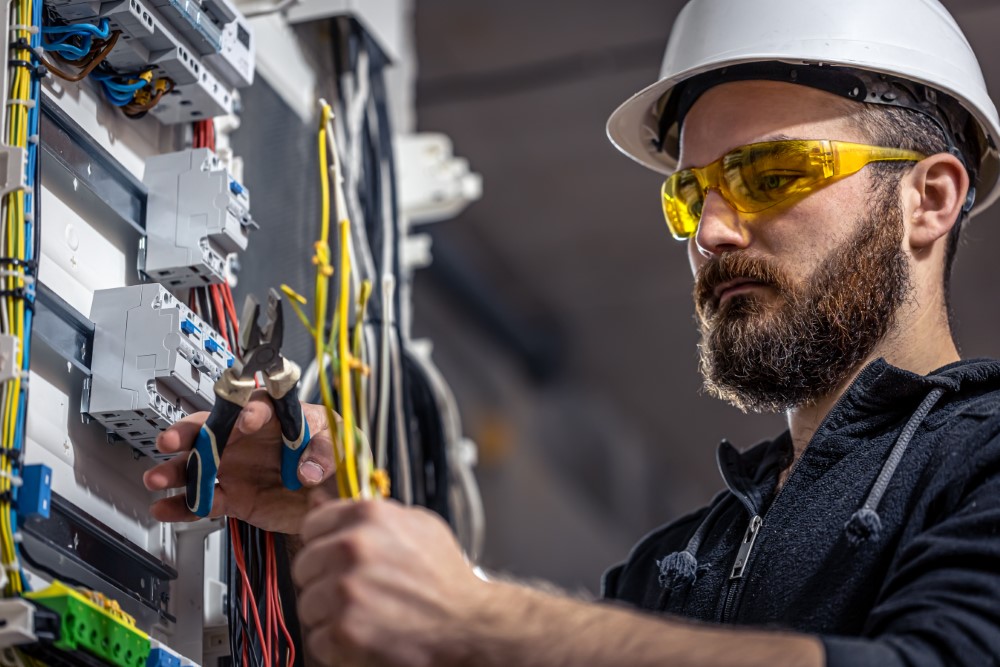
In South Africa, ensuring the safety of electrical wiring in your home is not just a matter of compliance—it’s a vital concern for your family’s well-being. With so many old homes and varying standards, understanding how to assess electrical wiring safety is key. Let’s dive into the basics!
Why It’s Important
Think about it—your home’s electrical system is responsible for powering everything from your fridge to your washing machine. Faulty wiring can lead to serious hazards such as electrical shocks, fires, or even equipment damage. Understanding how to monitor your wiring regularly can save you from costly repairs and, more importantly, safeguard lives.
Common Signs of Unsafe Wiring
Keep an eye out for these red flags:
- Flickering Lights: If the lights in your home are flickering, it could indicate loose connections.
- Tripped Circuit Breakers: Frequent trips may mean that your circuit is overloaded or there’s a short.
- Burnt Smell: Any burning smell near outlets is a definite warning sign.
- Warm Outlets: Outlets that feel warm to the touch may be a sign of overloaded circuits.
- Old Wiring: Homes built before certain electrical codes were established may have outdated and unsafe wiring.
Practical Tips to Assess Your Wiring
Here are some actionable steps you can take to assess the safety of your electrical wiring:
1. Conduct a Visual Inspection
Grab a flashlight and inspect your wiring. Look for:
- Frayed or cracked wires
- Sparks when plugging in appliances
- Outdated plugs and sockets
2. Check Your Circuit Breaker Panel
Your circuit breaker panel should be easily accessible. Ensure it’s free of dust, and check for any signs of wear. If the breakers seem warm or are constantly tripping, that’s something to address immediately!
3. Limit Load on Circuits
A common mistake is overloading circuits. Be mindful of how many appliances you’re running on a single circuit. Consider using power strips wisely—only for low-wattage devices!
Listening to the “Electric Cricket”
Many homeowners have reported a high-pitched sound when faulty wiring is present—often referred to as an “electric cricket.” If you hear this sound near outlets or switches, don’t ignore it! It’s your home giving you a clear warning.
A Short Case Study
A family in Pretoria noticed that their kitchen lights flickered when they turned on the microwave. After some investigation, they found out that the wiring was outdated and couldn’t handle the load. After consulting a licensed electrician, they discovered they had to replace not just the wiring but also upgrade their circuit breaker system. The result? A safer home and peace of mind!
When to Call a Professional
Don’t hesitate to call in an electrician if you’re encountering issues you’re unsure about. A registered electrician in South Africa can ensure your home meets the necessary safety standards according to the Electrical Installation Regulations.
Staying Informed
For more information on electrical safety, consider visiting the South African National Standards (SANS) website. They provide guidelines and updates to keep your electrical systems safe.
Take Action
Make it a habit to inspect your wiring and educate yourself continuously. Share this article with friends and family to help them stay safe too! Remember, it’s better to be proactive than reactive when it comes to electrical safety.