
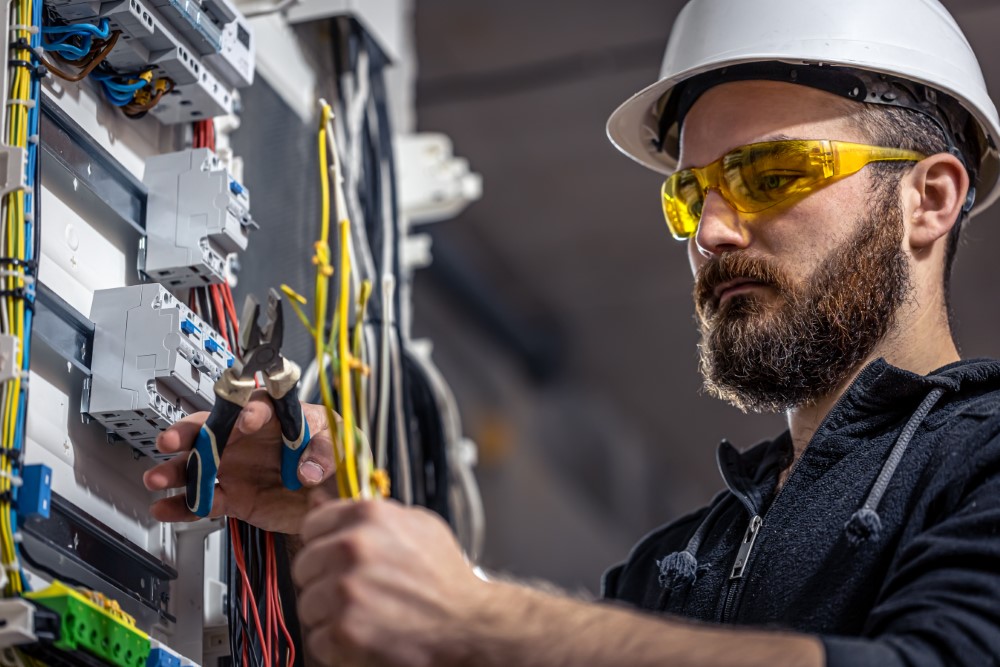
When it comes to home safety, wiring can often slip under the radar. Many homeowners in South Africa may not realize the critical role that safe electrical practices play in protecting their homes and families. Understanding wiring safety is essential for preventing electrical shocks, fires, and other hazards.
Familiarize Yourself with Electrical Basics
Start with the fundamentals. It’s crucial to know the basics of your home’s electrical system—what circuits power what areas and the role of circuit breakers. In South Africa, standard household voltage is 230 volts, so understanding how to safely interact with this power source can go a long way.
Inspection is Key
One of the best ways to ensure safety is through regular inspections. Look for:
- Frayed or damaged wires
- Flickering lights
- Burning smells near outlets or appliances
If you notice any of these signs, it’s time to call a qualified electrician. Don’t try to DIY if it involves handling live wires!
Use Proper Outlets
In South Africa, it’s essential to use the correct types of outlets. Ensure that your outlets are SANS compliant. Incorrect installations can lead to shorts and serious hazards.
Also, consider using surge protectors for sensitive electronics. They can save your devices from power spikes, especially in thunderstorms, which are common in many regions of the country.
Stay Grounded
A well-grounded system prevents electric shock and protects appliances. Make sure that your home’s electrical system includes proper grounding. This is especially important in areas prone to thunderstorms.
Know When to Call a Professional
Always err on the side of caution. If you’re unsure about anything, it’s better to consult a professional electrician. South Africa has numerous certified electricians who can offer their services. Remember, many problems can escalate if not handled correctly.
A Quick Case Study
Consider the experience of Thuli, a homeowner from Johannesburg. She faced frequent tripping of her circuit breaker but didn’t think it was a serious issue. After ignoring it for a few weeks, she awoke to a burning smell coming from the kitchen wiring. The problem turned out to be a severed wire that could have led to a devastating fire. After the incident, she made it a point to learn about wiring safety and ensure regular inspections were performed on her home. It’s a reminder that a little investigation and care can avoid disastrous situations.
Maintain Your Appliances
Don’t forget about the appliances themselves! Regularly check cords and plugs for damage and ensure they are not overloaded. In South Africa, using high-quality appliances can make a significant difference. Look for the SABS mark, which indicates that safety standards have been met.
Educate Your Family
Make sure everyone in your household knows basic electrical safety. This includes not using wet hands when touching electrical equipment and teaching kids to respect electricity. It’s a simple way to create a safer living environment.
Your Home, Your Responsibility
Wiring safety is something that often gets overlooked, but it doesn’t have to be. By applying these guidelines, you can create a safer home for yourself and your loved ones. Always weave safety into the fabric of your home—after all, it’s where your family grows and thrives.
Ready to make your home safer? Start today! Schedule an inspection, educate your family about electrical safety, and regularly check your wiring. Your home deserves it.