
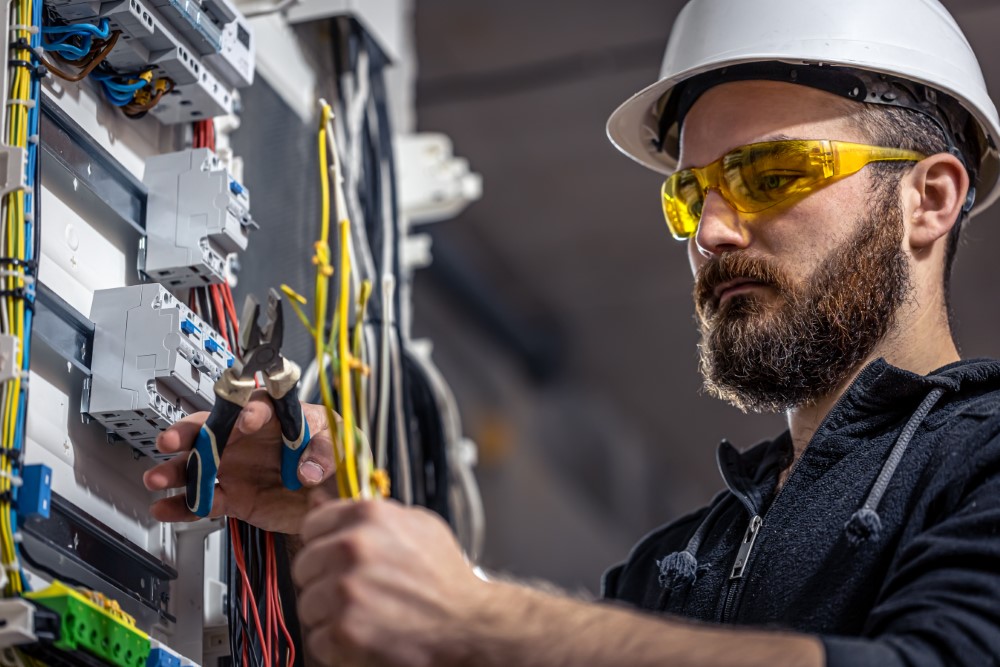
Hey there! If you’ve ever felt a shock from a plug socket or noticed your appliances acting funny, you’ll be glad you stumbled across this article. Here in South Africa, understanding electrical faults isn’t just smart—it’s necessary for keeping your home safe and your gadgets running smoothly. So, grab a cup of rooibos tea, and let’s dive in!
What Are Electrical Faults?
Electrical faults in plug sockets can manifest in various ways, often leading to dangerous situations. Common faults include:
- Short Circuits
- Ground Faults
- Overloads
- Open Circuits
Each type has its own symptoms and solutions, so recognizing them is the first step in staying safe.
The South African Context: Why It Matters
In South Africa, where loadshedding is part of our routine, it’s easy to overlook proper electrical safety. However, understanding how plug sockets operate can help you fend off potential issues. We rely heavily on appliances—from kettles to laptops—and a faulty socket can lead to not just inconvenience, but also serious risks.
Short Circuit: A Quick Overview
A short circuit occurs when electricity takes a shortcut, often caused by damaged wires or overload. This can result in tripped circuit breakers, flickering lights, or worse—an electrical fire!
Tip: Regularly Inspect Your Sockets
Make it a habit to check your plug sockets for signs of wear and tear, such as discoloration or crackling sounds. If you notice anything unusual, it’s time to call a professional electrician.
A Cautionary Tale
Let’s consider the case of a family in Johannesburg who experienced multiple electrical disruptions. They initially ignored the flickering lights, but when the refrigerator stopped working, they realized something was terribly wrong. Upon inspection, it turned out a faulty plug socket was causing overloads throughout their home. By addressing the faulty socket, they managed to restore normalcy and avoid potential disasters.
Ground Faults: A Hidden Danger
Ground faults happen when electricity strays from its intended path. In homes, this is particularly dangerous around wet areas like kitchens or bathrooms. Appliances like hairdryers and kettles can become unsafe if grounded improperly.
Actionable Advice: Install Residual Current Devices (RCDs)
RCDs can detect faults and shut off electricity automatically, providing an extra layer of safety. Ensure your home is equipped with RCDs, especially in areas prone to moisture.
How to Test Your Plug Sockets
So, how do you know if your sockets are safe? You can try a simple test:
- Unplug all appliances from the socket.
- Use a socket tester (available at local hardware stores) to check the outlet’s wiring.
- Look for any unusual readings, and remember that a reading of ‘OK’ is what you want!
When to Call an Electrician
If anything seems off during your tests, don’t hesitate to call in a professional. In South Africa, there are regulations surrounding electrical safety, and it’s essential to comply with them.
Tip: Choose a Qualified Electrician
Ensure that the electrician is certified and has good reviews. A bad job can lead to further complications down the line!
Wrap-Up: Stay Safe and Informed
Understanding electrical faults in plug sockets is a game-changer for your home safety. By staying vigilant and proactive, you can enjoy peace of mind knowing your electrical system is functioning properly. So, take a moment today to inspect your sockets or speak to an electrician—your future self will thank you!
For more tips and guidelines on electrical safety in South Africa, check out the SANS 10400 website.