
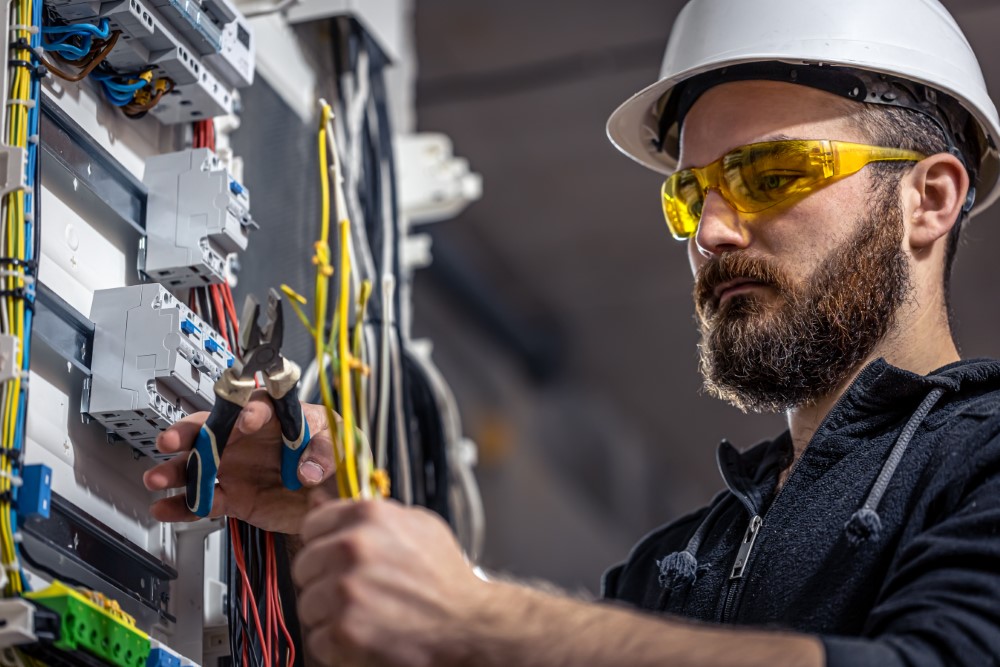
Have you ever experienced flickering lights or a sudden power outage in your home? Faulty electrical wiring can be a real headache, especially if you’re living in areas where loadshedding is a regular occurrence. Fortunately, with a little bit of knowledge and some hands-on skills, you can tackle minor wiring issues yourself. Here are some essential tips to guide you, tailored specifically for the South African market.
Safety First!
Before you even think about fixing electrical wiring, let’s talk about safety. Always make sure to switch off power to the area you’ll be working on. This not only minimizes the risk of electric shock, but also protects your tools and potential equipment damage.
Investing in a quality voltage tester can save you a lot of trouble. It’s a small yet powerful tool that will help you ensure all wires are safe to handle.
Know the Common Symptoms of Faulty Wiring
Being able to identify issues early can save you time and money. Some common signs of faulty wiring include:
- Flickering or dimming lights
- Tripping circuit breakers
- Burning smells from outlets
- Warm or hot switches and outlets
Case Study: A Simple Fix in Cape Town
Let’s take a quick example. In Johannesburg, a homeowner noticed that the lights in her lounge flickered every time she turned on the kettle. After turning off the power and examining the wiring, she discovered that the kettle’s circuit was overloaded. By redistributing the appliances to different circuits, she resolved the issue, avoiding a potential fire hazard. Always remember, sometimes a simple rearrangement is all it takes!
Tools You’ll Need
Having the right tools is crucial for successful electrical repairs. Here’s a list of essentials you should keep in your toolkit:
- Insulated screwdrivers
- Wire strippers
- Electrical tape
- Needle-nose pliers
- Wire connectors
If you don’t have them all, don’t worry! You can easily find these tools at local hardware stores, such as Builders Warehouse or Makro.
Understand the Basics of Wiring
Before diving into repairs, familiarize yourself with the basic types of wiring. In South Africa, you’re likely to encounter:
- Single-core wires: Used for lighting circuits.
- Multi-core cables: Ideal for heavy-duty appliances.
- Earth wires: Essential for safety and preventing electric shocks.
Knowing which type of wire to use for specific applications is key to a successful repair.
Never Overestimate Your Skills
While some projects may seem straightforward, know your limitations. If you’re unsure about a repair or you suspect serious issues, it’s best to call in a professional to avoid further complications.
Resources for Further Learning
Want to expand your electrical skills? Consider enrolling in a local workshop or taking an online course. Websites like Coursera offer a variety of courses to help you sharpen your skills.
Repairing faulty electrical wiring doesn’t have to be a daunting task. By following these essential tips, you can safeguard your home while enhancing your DIY skills. So grab those tools, get informed, and take action—your home will thank you for it!