
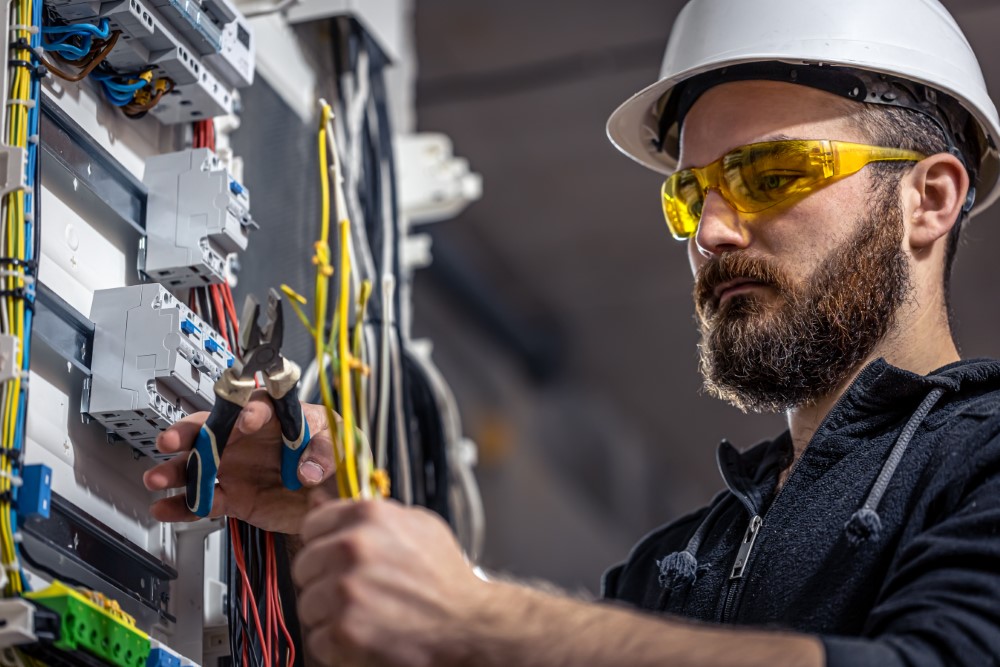
Welcome to your one-stop resource for understanding electrical fault detection methods tailored for the South African landscape. Buckle up, as we dive into a topic that affects not just electricians but every South African household and business!
Understanding Electrical Faults
Electrical faults can range from minor issues like flickering lights to severe problems that pose safety risks. Knowing how to detect these faults can save money and prevent accidents.
Common Types of Electrical Faults
Let’s familiarize ourselves with some common electrical faults you might encounter:
- Short Circuits: When a current flows along an unintended path, it can lead to overheating and fire.
- Open Circuits: This occurs when a break interrupts the flow, causing devices not to work.
- Ground Faults: This serious issue happens when the electrical current finds an unintentional path to the ground.
Detection Methods
Now, let’s explore some effective detection methods commonly used in South Africa.
1. Visual Inspection
A straightforward but essential step involves checking wires, circuit breakers, and connections for visible signs of damage.
Tip: Make it a habit to inspect your electrical system regularly. A simple check can prevent major issues!
2. Multimeter Testing
A multimeter is a handy tool for technicians. It measures voltage, current, and resistance and can pinpoint issues with various components.
Tip: If you’re not a professional, always consult an electrician when using this tool to avoid accidents.
3. Thermal Imaging
Thermal cameras can detect hotspots in electrical components. This method is particularly useful for large industrial applications.
Actionable Advice: Consider hiring a professional with thermal imaging equipment for yearly checks to catch problems before they escalate.
4. Circuit Tracer
This nifty device helps you trace circuit pathways, making it easier to find where faults occur.
Pro Tip: Use a circuit tracer for home diagnostics—you’ll save time and possibly a callout fee!
Case Study: Retail Store Experience
A popular retail store in Johannesburg faced numerous power interruptions, leading to customer complaints and revenue losses. After hiring an electrical technician, they utilized a combination of visual inspections and thermal imaging. They discovered faulty wiring in the lighting fixtures, which they replaced. The result? Power stability restored and customer satisfaction improved!
Regulatory Compliance in South Africa
Being compliant with local regulations is crucial. The South African Bureau of Standards (SABS) provides guidelines to ensure safety in electrical installations. Always consult a certified electrician to stay compliant.