
If you’re living in South Africa, there’s a good chance you’ve experienced the frustration of a circuit breaker tripping. One moment you’re enjoying the peace of home, and the next, darkness falls! Understanding why this happens can help you troubleshoot and even prevent future issues. Let’s dive into some common reasons and tips to keep your home energized.
Understanding Your Circuit Breaker
Your circuit breaker is like a superhero for your electrical system. It monitors the flow of electricity and shuts off the current when it detects a problem. This helps prevent electrical fires or damage to appliances. But what causes it to trip in the first place?
Common Reasons a Circuit Breaker Trips
1. Overloading the Circuit
In South African households, we often have multiple appliances running simultaneously—think dishwasher and washing machines! If the total wattage exceeds the circuit’s capacity, the breaker trips. It’s worth reviewing what you’re running at peak times.
2. Faulty Appliances
Sometimes, the problem isn’t with the circuit but with an appliance itself. Faulty or old kitchen gadgets could be drawing too much power or have internal issues. Look for signs of damage or wear.
3. Short Circuits
A short circuit happens when a hot wire touches a neutral wire, causing an excessive flow of electricity. This can be caused by damaged wires or appliances. If you smell burning or see sparks, turn off the power immediately!
4. Ground Faults
Ground faults are similar to short circuits but usually occur when a hot wire touches the ground wire or a grounded part of an appliance. It’s most common in wet areas, such as bathrooms or kitchens. Always ensure that outlets in these areas are GFCI-equipped.
A Case Study: The Jansen Family
Take the Jansen family, for instance. They found their circuit breaker tripping almost daily, especially during load shedding. Upon inspection, they discovered that their kids loved running multiple gaming devices and a large TV at the same time! By reconfiguring their usage and staggering appliance times during load shedding, they managed to resolve the issue.
When to Call an Electrician
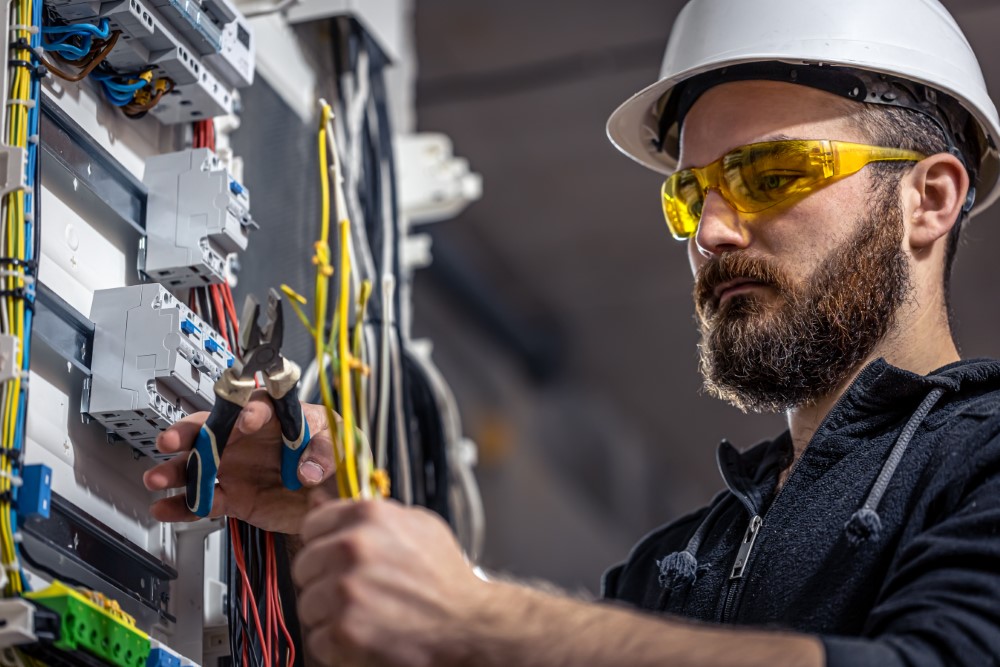
If you’ve tried troubleshooting your circuit breaker and it’s still acting up, it might be time to call in a professional. An electrician can perform a thorough inspection and pinpoint underlying issues that you might not see.
Keep the Power Flowing
In South Africa, where electricity can be unpredictable, knowing how to manage your circuit breaker is essential. Keep an eye on your appliance usage, conduct regular checks, and be ready to call for help if needed. Taking these simple steps can save you from frustration and keep your home safe.
Don’t just sit back and let it trip again—take control of your electrical system today! Equip yourself with knowledge, and you’ll be ready for anything your home throws at you.