
Experiencing persistent power tripping issues can be incredibly frustrating. In South Africa, where loadshedding has become a regular part of life, understanding how to manage your power effectively is crucial. This guide aims to bring you actionable solutions to help keep your lights on and your sanity in check.
Understanding Power Tripping
Power tripping occurs when the circuit breaker detects an overload or a fault and shuts off to protect the electrical systems. This can be caused by various factors, from faulty wiring to overloaded circuits. But fear not, there are several effective steps you can take.
1. Identify the Root Cause
To resolve persistent tripping, you first need to pinpoint the source of the issue. Here’s how to do that:
- Check Appliances: Disconnect appliances one by one and see if the tripping stops. Large appliances like fridges and microwaves can be culprits.
- Inspect for Damaged Wiring: Look for signs of frayed or damaged cables. This is often a reason for shorts and can be dangerous.
- Evaluate Your Circuits: If you have too many devices on one circuit, that may lead to overload. Consider redistributing them.
2. Upgrade Your Circuit Breaker
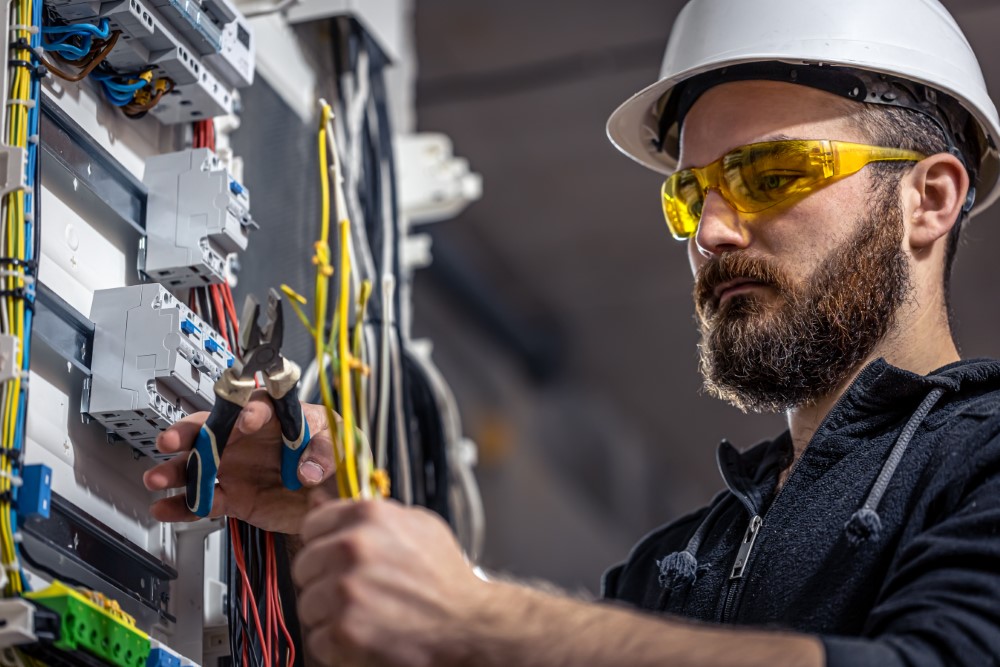
If your household or business is particularly power-hungry, your existing circuit breaker might not be up to the task. In South Africa, contact a licensed electrician to assess your needs and potentially upgrade your breaker to a higher capacity one.
3. Distribution Board Inspection
Your distribution board is another area to evaluate. If it’s old or poorly maintained, it might struggle to meet your power demands. Regular inspections and upgrades can help mitigate issues.
Case Study: The Jones Family
Meet the Jones family from Pretoria. They were constantly battling with power tripping, especially when running their washing machine and oven simultaneously. After conducting a simple investigation, they found that their circuit was overloaded. By engaging a local electrician, they redistributed their appliances across different circuits and upgraded their circuit breaker. Now, they enjoy a stable power supply even during peak load times.
4. Invest in Surge Protectors
Using surge protectors can help prevent damage from sudden spikes in electricity, which may also contribute to tripping. This is especially important during storms or even typical loadshedding scenarios found throughout the country.
5. Monitor Your Usage
Finally, taking charge of your power consumption can help. Use electricity monitoring devices to see which appliances draw the most power. You might be surprised by what you discover! Small changes, like switching to energy-efficient lighting and appliances, can reduce your load significantly.
Take Action!
Don’t let power tripping issues disrupt your life. Whether you decide to consult a professional or tackle simple fixes yourself, taking steps to address the problem can lead to a more stable and enjoyable environment. Remember, every small effort counts toward a more energy-efficient and hassle-free home!
If you want to dive deeper into the subject of home electricity management in South Africa, visit Eskom’s official site for resources and information.