
Your go-to guide for tackling electrical issues like a pro!
Understanding the Basics
Electrical repairs can seem daunting, but with the right tools and a bit of know-how, you can save yourself time and money. Whether you’re dealing with faulty wiring, a malfunctioning outlet, or flickering lights, having the basics on hand will empower you to take action.
Must-Have Tools
1. Insulated Screwdriver Set
An insulated screwdriver set is a must. These tools ensure that you’re protected from electrical shocks while you’re working on live wires. In South Africa, you can find sets at most hardware stores like Bidorbuy.
2. Wire Strippers
Wire strippers are simple yet powerful tools that remove insulation from wires without damaging the metal underneath. Look for ones that are easy to adjust – it makes for quicker and safer stripping.
3. Multimeter
A multimeter is essential for diagnosing electrical issues. It can measure voltage, current, and resistance, which helps you troubleshoot problems effectively. Brands like Adams have reliable options at competitive prices.
4. Pliers
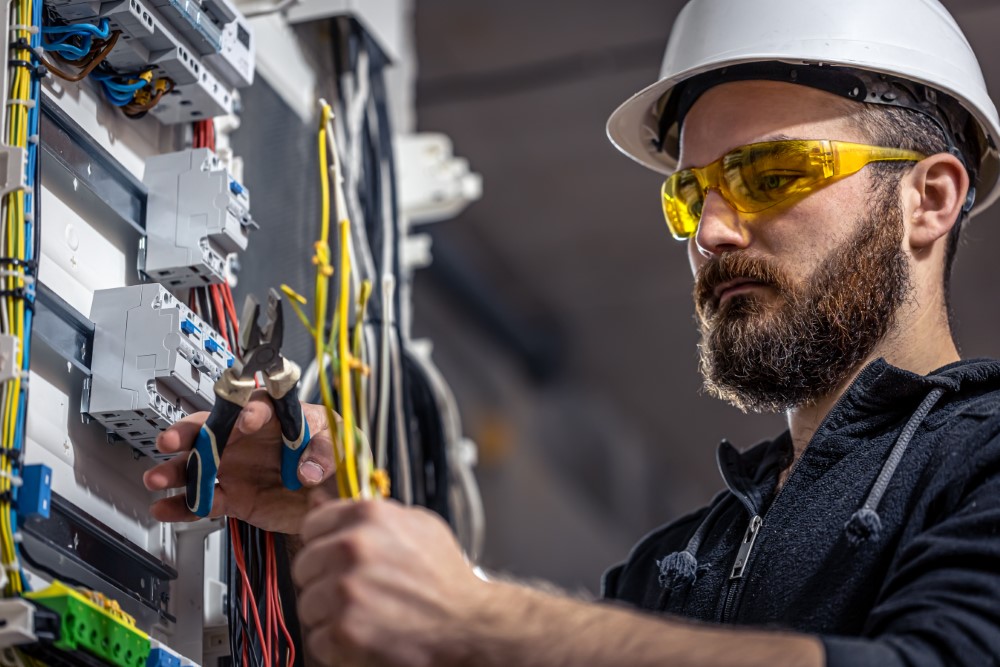
Your toolkit wouldn’t be complete without a good pair of pliers. They help you grip, twist, and cut wires with ease. Look for pliers with rubberized grips for better comfort.
5. Electrical Tape
Electrical tape is invaluable for insulation and securing wires. Make sure to choose high-quality tape that won’t degrade easily, especially in South Africa’s varying climate.
Safe Practices for Electrical Work
Before diving into any electrical repair, it’s crucial to follow safety protocols. Always turn off the power at the circuit breaker and use a voltage tester to ensure the circuit is dead before starting work.
Quick Tip:
Keep a flashlight handy! Sometimes, you’ll find yourself working in dimly lit areas, and a good light source is invaluable.
Case Study: Fixing a Flickering Light
Let’s take a look at a simple scenario. Suppose your living room light keeps flickering. First, you grab your multimeter to check the voltage at the fixture. If it reads below the standard, it could indicate a loose connection or a failing fixture. You would next use your insulated screwdriver to check the wiring connections, ensuring they’re secure. If everything seems fine, the issue might be with the bulb itself!
Final Thoughts
Ready to tackle your next electrical repair? Equipping yourself with these essential tools will not only save you money but also give you the confidence to handle various electrical issues. And remember, it’s perfectly fine to call in a professional for more complex problems. Your safety comes first!
Explore, learn, and maybe even pick up a new skill along the way – you never know when you’ll impress family and friends with your newfound abilities!