
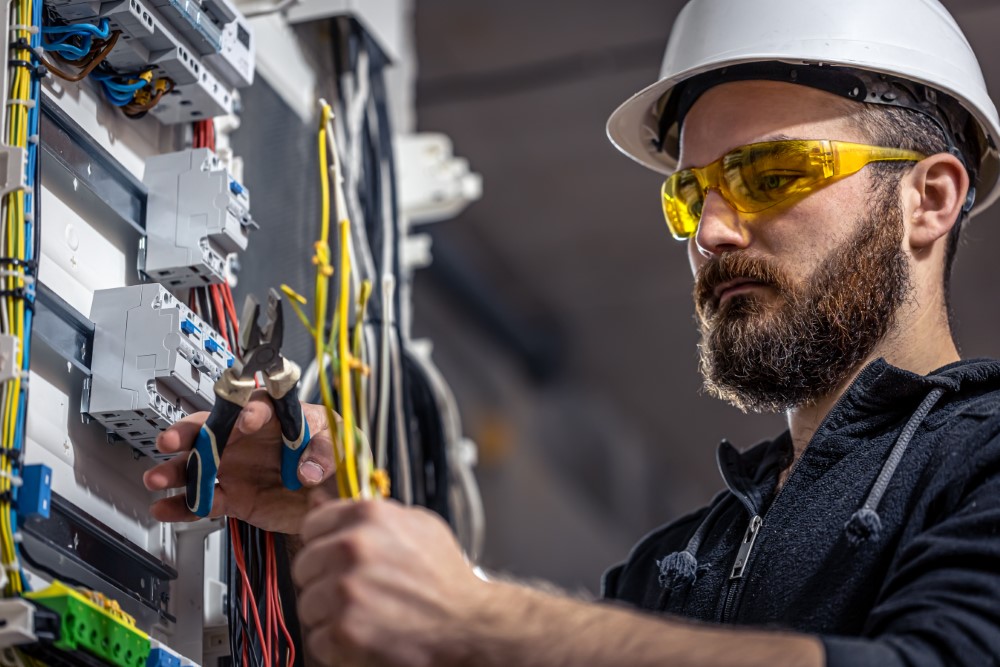
So, you’ve decided to tackle some electrical work in your home. It’s a handy skill to have, and who wouldn’t want to save a few bucks? But before you grab your toolbox and dive into that project, let’s chat about when DIY electrical work might actually cost you more in the long run—especially in the vibrant landscape of South Africa.
Understanding the Risks
We know that electrical work can be daunting. A little mistake can lead to disastrous outcomes—think short circuits, electrical fires, or even electrocution! South Africa has its fair share of unique electrical challenges, from load shedding to varied wiring standards. Before jumping in, it’s good to pause and consider what you’re getting into.
The Case of Thandi’s Kitchen
Take Thandi, for example. She thought she could easily replace the wiring in her kitchen after a few YouTube tutorials. Initially, everything seemed fine. However, a few weeks later, she experienced a power outage. When she called in a professional, the technician found that the wiring Thandi had used was incompatible with her home’s electrical standards. The cost to fix the issue? Significantly more than hiring an electrician in the first place.
When It’s Better to Call a Pro
Here are some scenarios where handing over the tools to a qualified electrician makes sound financial sense:
- Complexity of the Job: If you’re dealing with rewiring or major installations, leave it to the pros.
- Permits and Code Compliance: South Africa has specific electrical regulations. It’s best to have someone familiar with these to ensure safety and compliance.
- Insurance Considerations: Many insurers may not cover damages from unqualified electrical work. Protect yourself!
The Cost of Mistakes
While doing it yourself can add a sense of accomplishment, keep in mind that mistakes will often cost more than hiring a professional upfront. For example, incorrectly installed wiring may lead to appliance damage, which might void warranties. Even simple tasks like changing light fixtures can turn into a costly mess.
Tips for Safe DIY
If you’re keen to get your hands dirty with simpler tasks, here are some tips to keep in mind:
- Educate Yourself: Watch tutorials, read guides, and understand what you’re about to do. Websites like Plumber.co.za offer valuable resources.
- Start Small: Consider starting with non-electrical home improvements before attempting electrical tasks.
- Know When to Stop: If you feel overwhelmed, it’s okay to say, “Help!”
Be Aware of Local Regulations
South Africa has different electrical regulations depending on the province. Familiarize yourself with the guidelines in your area to avoid being on the wrong side of the law when it comes to DIY electrical work.
For those who prefer to play it safe, consider reaching out to your local Electrical Contractors Association of South Africa (ECA) for guidance or recommendations on reputable electricians in your area.
A Call to Action
The next time you find yourself staring at a flickering light or a faulty socket, remember the words of Thandi: sometimes, it’s better to pay upfront than to deal with the aftermath of DIY disaster. Take a moment to evaluate your skills and the complexity of the task at hand. Trust me; your future self will thank you!
Embrace the DIY spirit but respect the power of electricity. You’ll save money, avoid headaches, and keep your home safe. Happy tinkering—or hiring!