
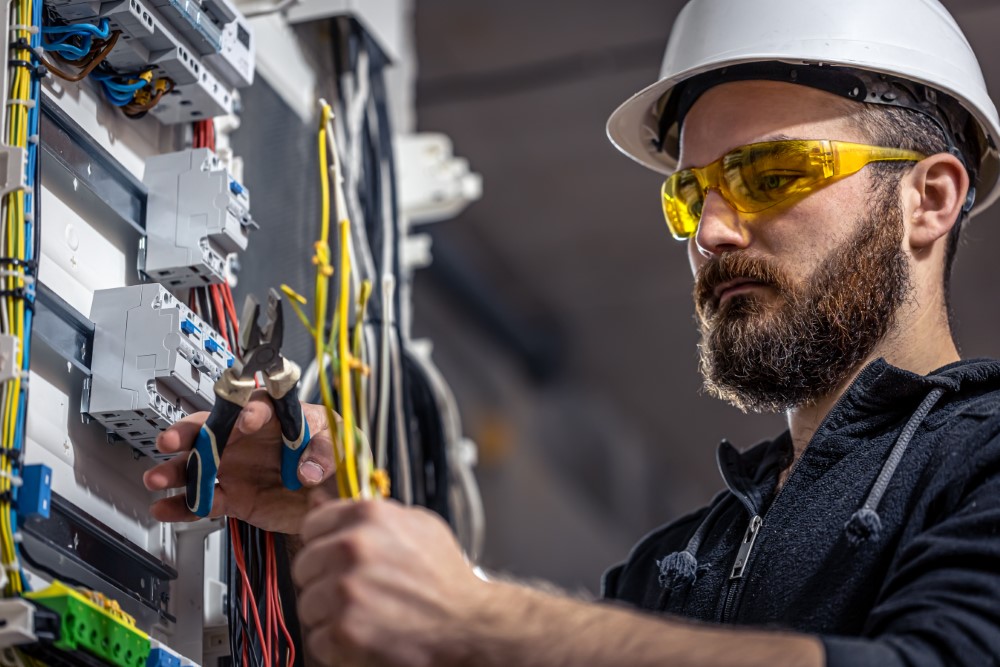
Tempted to tackle that flickering light or faulty power socket on your own? You’re not alone! Many South Africans take on electrical DIY projects to save a few bucks. While the DIY spirit is commendable, there are pitfalls to avoid. Let’s explore some common mistakes and how to sidestep them!
1. Ignoring Safety First
It’s easy to get carried away with the excitement of a new project. But remember, safety must be your top priority. Always switch off the power at the circuit breaker before starting any electrical work. This small step can prevent huge accidents.
Tip: Use a multimeter or a voltage tester to double-check that the power is off. Don’t assume; verify!
2. Overloading Circuits
In many households, gadgets and appliances are connected to a single circuit. Overloading can not only damage your devices but can also cause electrical fires. Be mindful of how many devices you plug into one outlet.
Case Study: Consider a family in Durban who constantly plugged multiple heaters into one outlet during winter. One evening, they heard a loud pop, and their circuit tripped. They were lucky to escape without damage, but it was a wake-up call. Make sure to distribute heavy appliances across different circuits!
3. Using the Wrong Tools
DIY doesn’t mean you can make do with whatever’s in your toolbox. Using incorrect tools can lead to mistakes and even injuries. Invest in a proper set of electrical tools; they make the job easier, safer, and more efficient.
Tip: Always have insulated tools on hand. They’re a smart investment for any DIY enthusiast!
4. Not Understanding Wiring Codes
South Africa has specific wiring regulations and codes to ensure safety and reliability. Failing to understand these can lead to illegal wiring, which poses a risk to your home insurance. Always research local regulations or consult a professional if unsure.
Tip: Websites like SANS 10400 can provide you with valuable information on building regulations.
5. Skipping the Ground Wire
The ground wire is a crucial safety feature that prevents electrical shocks. Never omit this essential component, even if you feel it’s fine. Ground it to ensure that if something goes wrong, excess current has a safe pathway through the ground.
Tip: Familiarize yourself with how to appropriately connect the ground wire. It’s simpler than it sounds, made to protect you!
6. Hesitating to Call a Professional
If you’re ever in doubt, don’t hesitate to call an electrician. It’s always safer to invest a little money now than to risk potential disasters down the line. There’s no shame in admitting some tasks are better left to the pros!
Tip: In South Africa, some great platforms connect you with reputable electricians. Consider checking out Home Improvement to find trusted professionals.
Taking the Leap with Confidence
Embarking on a DIY electrical project can be thrilling, but remember to tread carefully. By avoiding these common mistakes and keeping safety at the forefront, you’re on the right track to success. Taking that extra time to prepare ensures your home remains safe and sound.
Final Thought: The next time you feel the urge to pick up the tools, pause and ask yourself: “Am I doing this safely?” Embrace learning, and if it gets too tricky, don’t hesitate to reach out for help. Your safety is worth it!