
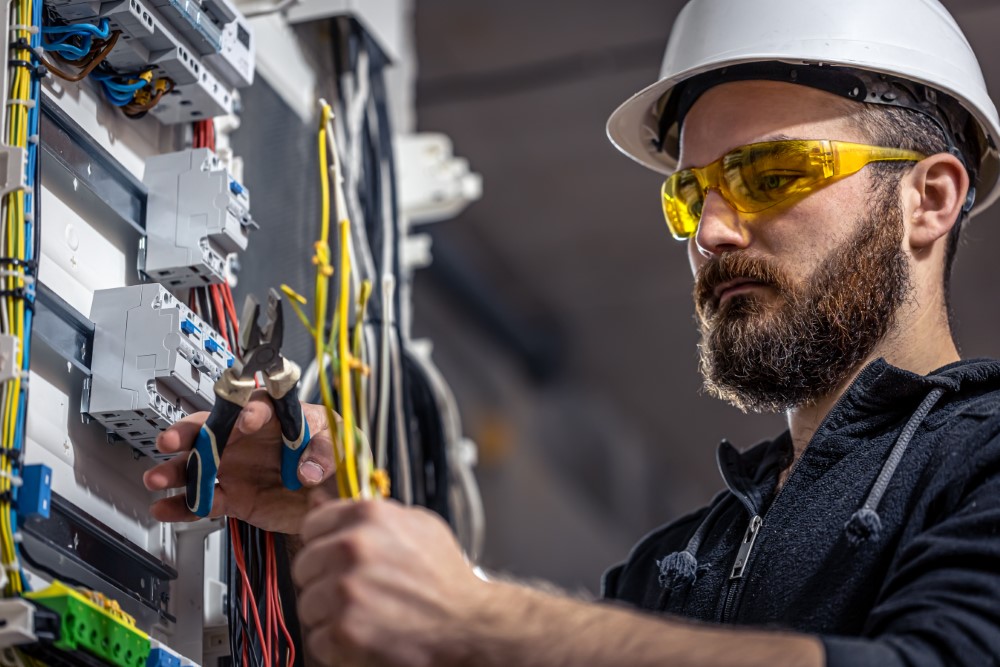
It’s no secret that electrical repairs can be a daunting aspect of home maintenance, especially when you don’t know what to expect in terms of costs. South Africa’s unique market dynamics, combined with rising electricity demands, mean that electrical issues are becoming more prevalent. But fear not, with a little knowledge and the right approach, you can navigate these waters like a pro!
What Contributes to Electrical Repair Costs?
Understanding why electrical repair costs fluctuate is the first step to managing them. Let’s break this down into several key factors:
1. Type of Repair
Whether it’s fixing faulty wiring, replacing a circuit breaker, or installing new fixtures, the type of repair plays a significant role in cost. For example, a simple task like replacing a light switch will generally cost less than rewiring an entire room.
2. Labor Costs
In South Africa, hiring a qualified electrician is crucial, not only for safety reasons but also to ensure that the job is done correctly. Labor costs can vary significantly depending on the electrician’s experience and the region. For instance, you might find that rates in Cape Town differ from those in Gauteng.
3. Materials and Equipment
The quality of materials also influences costs. While it might be tempting to go for the cheapest option, investing in quality materials can save you money in the long run as they tend to last longer.
4. Location
Your geographical location within South Africa can significantly affect repair costs. Rural areas may have less access to skilled electricians and materials, potentially increasing your overall costs.
Quick Tips to Manage Electrical Repair Costs
Now that you understand the factors at play, here are some actionable tips to keep in mind:
- Get Multiple Quotes: Don’t settle for the first quote. Reach out to at least three electricians to compare prices and services.
- Ask for Recommendations: Tap into your community and ask friends or family for referrals. A trusted electrician can save you headaches.
- Communicate Clearly: Clearly explain the issue to the electrician. Proper communication can help avoid surprises in terms of cost.
- Regular Maintenance: Schedule regular electrical inspections. Catching potential issues early can save you from expensive repairs down the line.
Case Study: A Real-Life Example
Let’s look at a quick case study of Jane, a homeowner in Durban. Jane encountered a series of flickering lights which led her to call in an electrician. Initially, she thought it might just be a faulty bulb, but after a comprehensive evaluation, the electrician revealed that old wiring was the real culprit.
Instead of panicking, Jane took a proactive approach. She gathered multiple quotes from local electricians, choosing one that came highly recommended and offered a fair price for the necessary rewiring. In the end, she spent a bit more than anticipated but avoided potential fire hazards. Jane’s experience underscores the importance of getting informed and proactive!
Final Thoughts
Electrical repairs don’t have to be a financial burden or a cause for stress. With a solid understanding of what contributes to costs, combined with smart strategies for managing those expenses, you can tackle any electrical issue with confidence. Make it a point to stay informed, keep your systems maintained, and don’t hesitate to reach out for help when needed. Remember, a little planning can go a long way in ensuring your home remains a safe and comfortable sanctuary.
Embrace the power of knowledge, and take charge of your electrical needs today!
For more detailed information on qualified electricians or electrical standards in South Africa, visit the South African Electrical Engineering Council.