
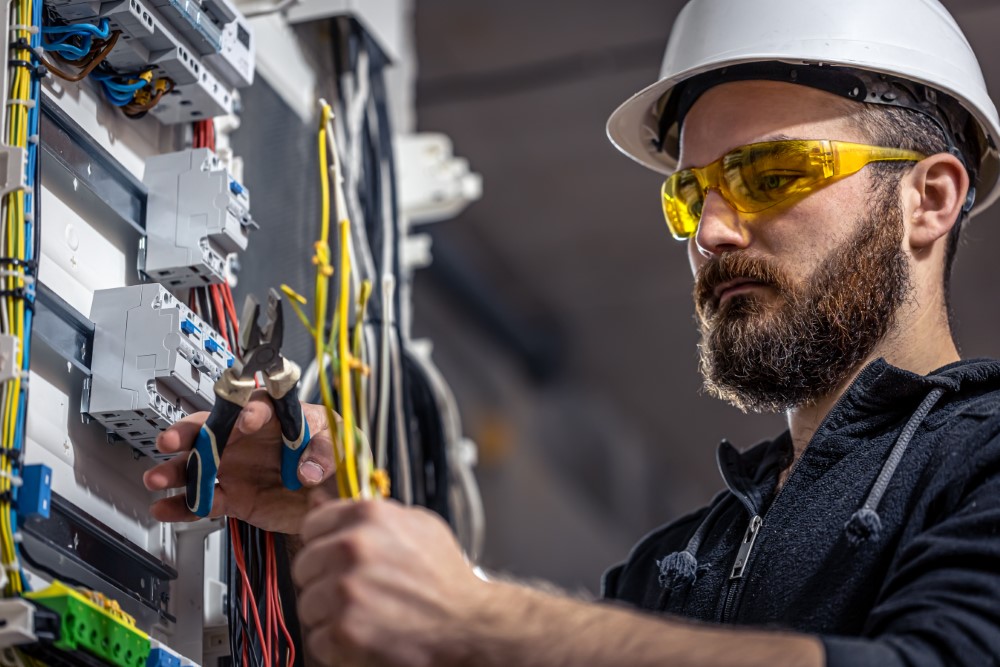
As a South African homeowner, you understand the importance of keeping your home safe and functional. Electricity is a vital part of that equation. Whether you live in a bustling city like Johannesburg or a quieter town in the countryside, it’s crucial to recognize early signs of electrical issues. This guide will help you spot those problems before they become costly repairs or safety hazards.
Understanding the Basics
Before diving into the signs of electrical problems, it’s good to brush up on some basic electrical knowledge. Most South African homes are wired using a single-phase system, which is suitable for everyday use. Still, it’s good to know where the fuse box is located and how to reset breakers if necessary. Familiarize yourself with essential components such as sockets, switches, and circuit breakers.
Common Signs of Electrical Issues
1. Flickering Lights
If your lights flicker or dim unexpectedly, it’s more than just a nuisance. This could signal an overloaded circuit or a faulty connection. Try to identify if it occurs with a specific appliance; if so, it may be time to consult an electrician.
2. Frequent Circuit Breaker Trips
Tripping circuit breakers can be a regular annoyance, but if it happens often, your system may be overloaded or experiencing a fault. Make a point to note when it trips to help your electrician diagnose the issue more effectively.
3. Buzzing Sounds
Heed the warning of buzzing outlets or switches! This sound often indicates loose wires or a failing component. It might be wise to turn off the power to that circuit until it can be resolved.
4. Burnt or Discoloured Outlets
A discoloured or burnt outlet is a serious red flag. The heat may have damaged the wiring inside, which poses a fire hazard. If you notice this, unplug devices and contact a qualified electrician immediately.
Performing a Home Electrical Inspection
While it’s always recommended to hire a professional for comprehensive inspections, you can perform a simple check yourself:
- Examine visible wiring for wear and tear.
- Check that outlets and switches are secure and functional.
- Test smoke alarms to ensure they are working.
Case Study: The Smiths of Cape Town
The Smith family, residents of Cape Town, had been experiencing flickering lights for weeks. They initially thought it was just a temporary glitch. However, after paying closer attention, they noticed it occurred mostly when using their kettle. They decided to consult a local electrician, who discovered that the circuit was overloaded and required re-wiring. By catching it early, the Smiths avoided a potential electrical fire!
When to Call a Professional
If you notice any of the warning signs mentioned above, it’s crucial to reach out for professional help. Not only will they address your immediate concerns, but they’ll also provide advice on how to enhance the safety of your home electrical system. The Electrical Contractors Association of South Africa is a great resource to find qualified electricians.
Staying Proactive
Regular maintenance is key to a safe home. Here are a few proactive steps you can take:
- Schedule annual electrical inspections.
- Limit the use of extension cords.
- Upgrade your system if you frequently add new appliances.
By actively monitoring your electrical system and taking preventive steps, you’ll not only save yourself time and stress but also preserve the safety and integrity of your home.
Final Thoughts
Taking charge of your home’s electrical upkeep can feel empowering. While some issues can be easily managed with immediate attention, others require the expertise of a professional. By cultivating an awareness of your electrical system and spotting early signs of trouble, you’re ensuring the safety of your home and family. So, why wait? Start your electrical checklist today!