
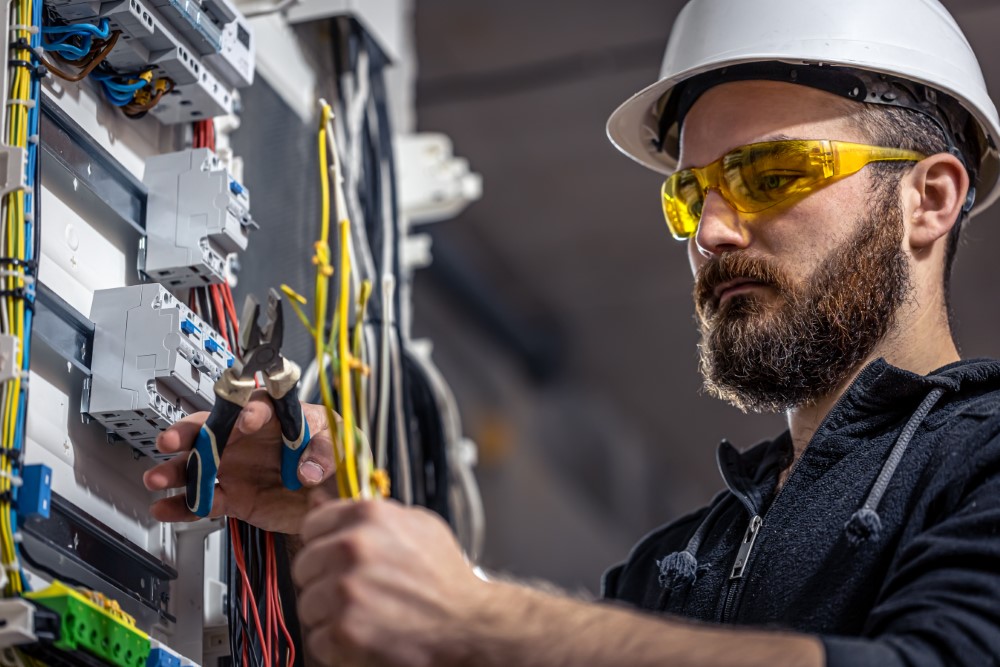
In South Africa, load shedding has become a familiar term and a routine part of daily life. While we all understand that it’s a measure to prevent an overload on the electricity grid, we often overlook how it affects our households and appliances. Let’s dive into understanding electrical damage caused by load shedding and explore how we can better protect our homes.
What is Load Shedding?
Load shedding is an emergency measure where electricity supply is temporarily interrupted. It typically occurs when there’s an imbalance between electricity supply and demand. Various factors, such as maintenance issues or unexpected breakdowns, may prompt the need for load shedding in our communities.
The Impact on Electrical Appliances
So, how does load shedding affect your electrical appliances? The answer lies in sudden power interruptions and the subsequent outages. Both can lead to:
- Power Surges: When electricity is restored, a sudden influx of power can overwhelm sensitive electronics.
- Equipment Damage: Frequent interruptions can lead to premature wear and tear on household appliances.
- Data Loss: Computers and other devices may not only shut down unexpectedly but also lose unsaved work.
Case Study: The Jones Family
The Jones family experienced significant disruption during a recent load shedding event. Their refrigerator, having cycled on and off multiple times due to outage periods, eventually failed. When the power finally returned, a surge caused their microwave to blow a fuse, leaving the family without two crucial appliances. After contacting a technician, they learned that they could have protected their devices with a simple UPS (Uninterruptible Power Supply).
Protecting Your Home and Appliances
So, what can you do to safeguard your home from the adverse effects of load shedding? Here are some actionable tips:
Invest in Protection
A UPS can be a great investment, especially for computers and sensitive electronics, as it provides backup power and regulates voltage. This added layer of protection can save you from costly repairs.
Unplug During Outages
Whenever you know that load shedding is scheduled, try unplugging devices that are not in use. This will minimize the risk of power surges and save energy.
Use Surge Protectors
Consider using surge protectors for your valuable gadgets. These devices are designed to absorb excess voltage, preventing it from reaching your equipment.
Regular Maintenance
Don’t forget to maintain your existing appliances. Regular checks can help spot issues early and prolong their lifespan.
Stay Informed
Utilizing mobile apps and websites that provide load shedding schedules, such as Eskom, can keep you ahead of the game. Knowing when outages are expected allows you to plan accordingly, ensuring you’re not caught off guard!
Your Turn to Take Action
Load shedding may feel overwhelming, but with the right strategies in place, you can mitigate potential damage. Start by assessing your home and take proactive steps to protect your electrical devices. You’ve got the power to make a difference!
Here’s a gentle nudge to research more about load shedding, protective gear, and best practices for household electronics. Equip yourself with knowledge—you never know when it can come in handy!