
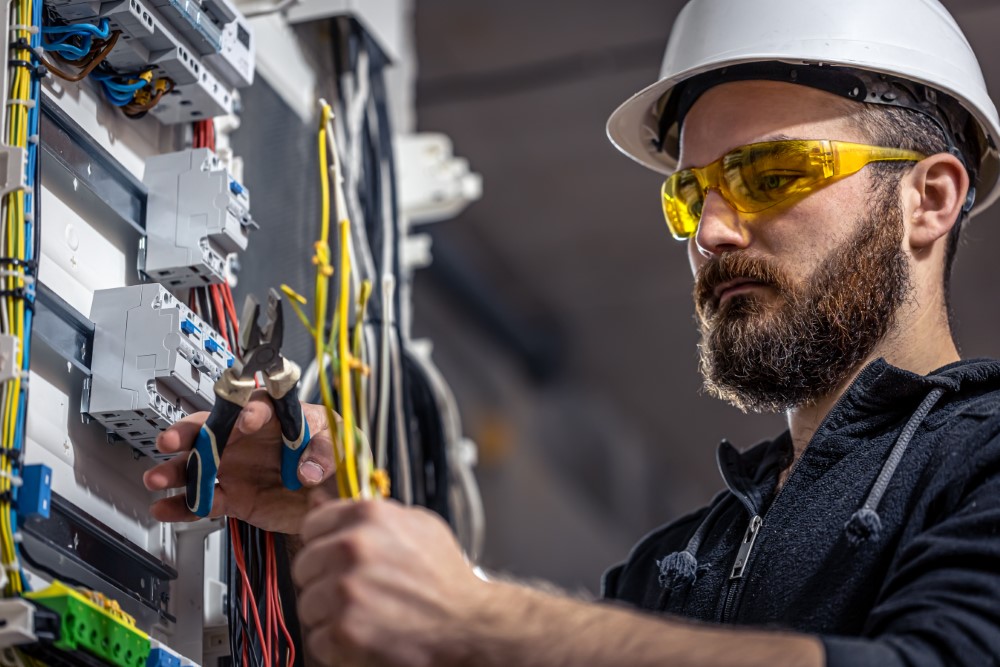
Overloaded circuits can turn a cozy home into a power struggle faster than you can say “current!” If you’re in South Africa, with its unique electrical challenges, understanding how to manage and fix overloaded circuits is vital for safety and efficiency. So grab your tools, and let’s dive into how you can do this yourself!
What Is an Overloaded Circuit?
An overloaded circuit occurs when you draw more current than what the circuit is designed to handle. This can lead to tripped breakers, flickering lights, or even electrical fires. Typical signs include warm outlets or a burning smell—definitely not something you want to ignore!
Step 1: Identify the Problem
The first step in tackling an overloaded circuit is identifying which circuit is misbehaving. Check your breaker box to see if any switches have tripped. If a breaker keeps tripping, you likely have an overload issue.
Tip:
Step 2: Unplug Excess Devices
Once you know which circuit is causing trouble, start by unplugging non-essential devices. This includes items like phone chargers and extra lights. Ensure you’re only using essential appliances, especially during peak hours when the load is generally higher.
Step 3: Distribute Your Load
Consider redistributing your power needs. For instance, if you have multiple devices connected to one circuit, find another outlet on a different circuit for some of them. This practice can be a game-changer!
Case Study: The Jones Home
Step 4: Upgrade Your Circuit
If you consistently run into overload issues, it may be time to upgrade your circuit. This is a DIY step you might want to leave to the pros, so consider calling a registered electrician. In South Africa, always ensure your electrician is registered with the Electrical Contractors Association (ECA).
Step 5: Regular Maintenance
Regular maintenance can prevent overloaded circuits. Schedule periodic checks to ensure your wiring is in good condition. Staying proactive can save you from serious issues down the line.
Tip:
Your Next Steps
Dealing with overloaded circuits doesn’t have to be a daunting task. With the right approach, you can keep the electrical heartbeat of your home steady and safe. Don’t hesitate to educate yourself further and possibly engage professionals when necessary. Understanding your electrical systems will empower you and help you create a safe environment for your family!
Want to learn more about electrical safety? Check out resources from the SA Home Owner Magazine for tips on maintaining your home’s electrical infrastructure.