
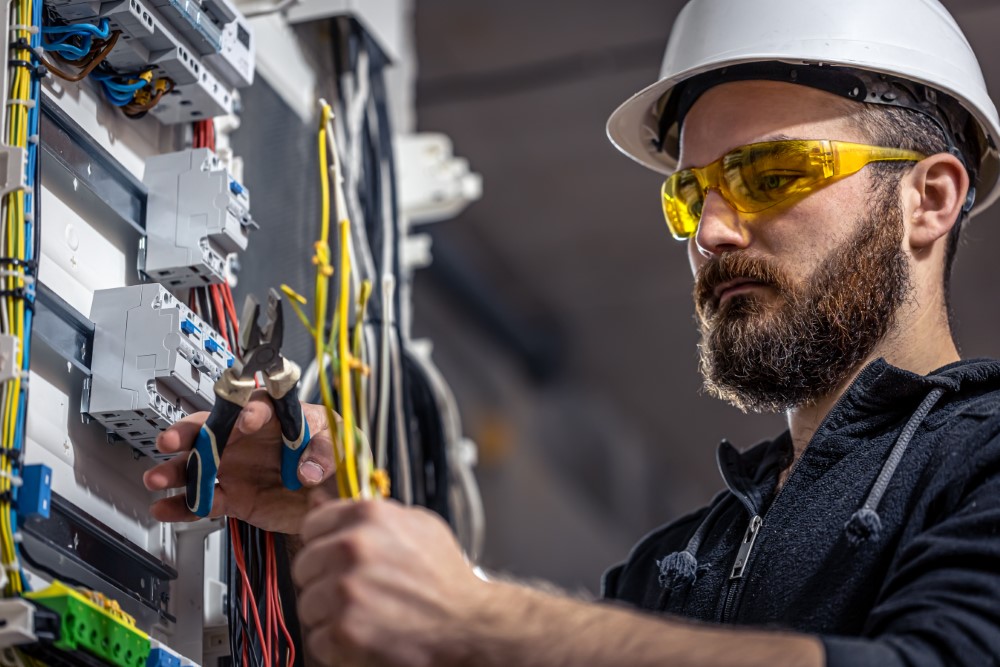
In South Africa, a loose plug socket can be a frustrating—and potentially dangerous—issue in your home. Not only can it cause your devices to malfunction, but it can also present serious safety hazards. Fortunately, fixing a loose socket is simpler than you might think. Let’s dive into some actionable steps you can take!
Why Loose Plug Sockets Are a Concern
Loose plug sockets can lead to overheating, sparks, or even electrical fires. In a country where power outages and electrical issues are already part of life, dealing with a loose socket is the last thing anyone needs. So it’s essential to address the issue promptly.
Step 1: Safety First
Before tackling any electrical task, your safety should be your top priority. Here’s what you need to do:
- Turn Off the Power: Switch off the circuit breaker that powers the area where the loose socket is located.
- Use a Voltage Tester: After turning off the power, use a voltage tester to ensure there’s no electricity flowing through the socket.
Step 2: Inspect the Socket
After ensuring your safety, take a closer look at the socket. Is it simply worn out, or is there visible damage? A common sign of wear is a loose fit for plugs. If it feels wobbly or there is physical damage, it’s worth addressing.
Step 3: Tightening the Connections
Sometimes, a loose socket is simply due to loose screws inside. Get your screwdriver and follow these simple steps:
- Remove the cover plate by unscrewing it.
- Check the screws holding the socket to the wall; tighten them if they are loose.
- Inspect the wire connections inside the socket. Tighten any loose wires but be cautious not to strip any screws.
If the socket seems too worn out or damaged, it might be time to replace it entirely.
Step 4: Replacing the Socket
If your socket is beyond repair, replacing it is straightforward. Here’s a brief guide:
- Buy a Compatible Socket: Visit your nearest hardware store, like Builders Warehouse or Leroy Merlin, to find a suitable replacement.
- Disconnect the Damaged Socket: Carefully detach it from the wires.
- Connect the New Socket: Attach the wires to the new socket, matching them to their corresponding terminals.
- Secure and Test: Reattach the cover plate, turn the power back on, and test your new socket.
Case Study: The Smith Family’s Socket Saga
In Johannesburg, the Smith family had persistent issues with their living room socket. Initially, they blamed their devices for malfunctioning, but upon further inspection, they realized the socket was simply loose. By following the steps above, they tightened the connections and replaced the socket for good measure. Now, they enjoy uninterrupted power for their appliances and peace of mind knowing their home is safer.
Final Thoughts
Tackling a loose plug socket might seem daunting, but with these steps, you can efficiently secure it yourself. Remember, electrical issues are often symptoms of larger problems, so don’t hesitate to consult an electrician if you feel unsure.
By making your home safer, you’re not only protecting your appliances but also creating a safer environment for you and your loved ones. So why wait? Grab those tools, get to work, and ensure your home is safe and sound!
If you’d like to learn more about electrical safety or home repairs, check out homeimprovementpages.com.au for additional resources.