
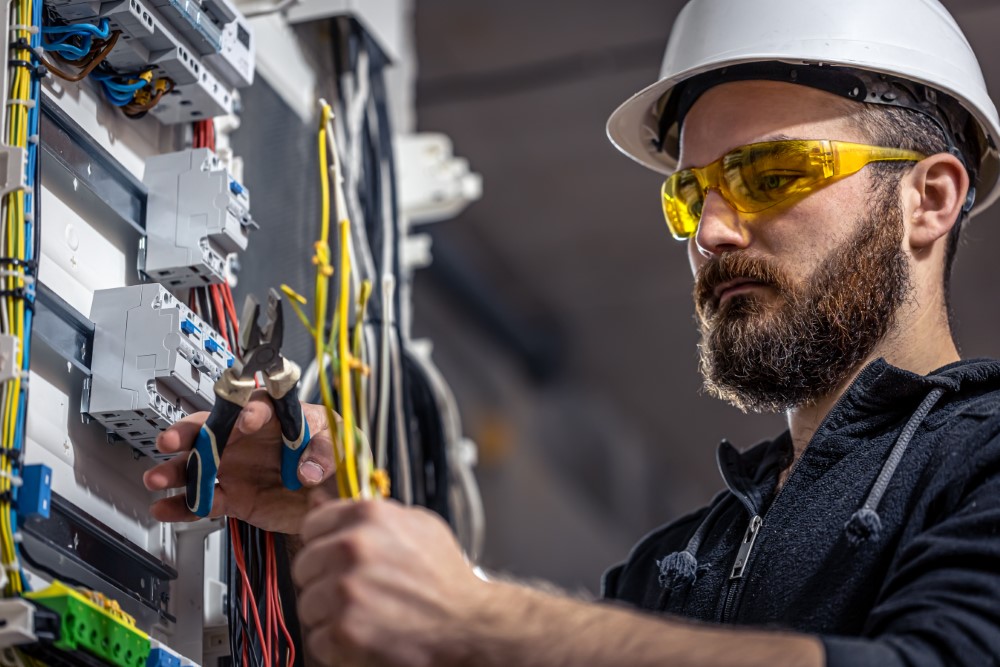
Have you ever been in the middle of your favorite TV show when the lights flicker, and suddenly you’re plunged into darkness? In South Africa, electrical equipment trips are not just an inconvenience—they can lead to expensive repairs or, worse, dangerous situations. But fear not! We’ve compiled some simple yet effective tips on how to keep your home’s electrical system happy and healthy.
Understanding Electrical Trips
Before we dive into the solutions, let’s take a moment to understand what an electrical trip really means. This occurs when your circuit breaker shuts off the electrical flow, usually to prevent overheating or electrical fires. Common culprits include overloaded circuits, faulty wiring, and malfunctioning appliances.
Tip 1: Use the Right Appliances
In the unique South African context, many households rely on essential appliances like kettles and heaters. However, these can create major electrical loads. Always check the wattage on the appliance and ensure your circuit can handle it. A good rule of thumb is to never plug multiple high-wattage devices into the same outlet.
Quick Check: Amp Rating
Have you checked your circuit’s amp rating? Knowing your home’s electrical capacity can help you distribute the load wisely.
Tip 2: Invest in Power Strips with Surge Protection
Surge protectors are more than just “extra plugs.” They protect your electronic devices from sudden power surges. Given South Africa’s unpredictable load shedding and voltage fluctuations, these protective devices are a wise investment for any household.
Tip 3: Regularly Inspect Cords and Outlets
Over time, cords can become frayed or damaged. Regularly inspect all your cords and outlets for any signs of wear and tear. If you notice anything odd like scorch marks or damaged casing, it’s time to replace the unit or seek professional help. Remember, safety first!
Tip 4: Know Your Circuit Breaker
Many homeowners are blissfully unaware of where their circuit breaker is located, let alone how it works. Familiarize yourself with this essential part of your electrical system. Learn which breaker controls which areas of your house so you can quickly rectify any trips during an outage.
A Quick Case Study
Take the case of Thandi, a homeowner in Johannesburg. She often faced inexplicable trips in her home. After investigating, she discovered that her family frequently used multiple heaters at once during winter, pushing her circuit to its limits. By staggering the use of her appliances and investing in a surge protector, she effectively reduced electrical trips and kept her home comfortable.
Tip 5: Don’t Ignore Warning Signs
If you notice flickering lights, buzzing sounds, or warm outlets, don’t brush it off. These warning signs could indicate deeper electrical issues that may need the expertise of a qualified electrician. Getting a professional opinion sooner rather than later can save you a lot of hassle and money.
Tip 6: Teach Your Family about Electrical Safety
Finally, make sure everyone in your household understands basic electrical safety. Teach your kids not to overload sockets and what to do in case of an outage. The more informed everyone is, the safer your home will be.
So, what are you waiting for? Go ahead and apply these easy tips today! Your home, your family, and your wallet will thank you. Stay safe and keep the lights on!