
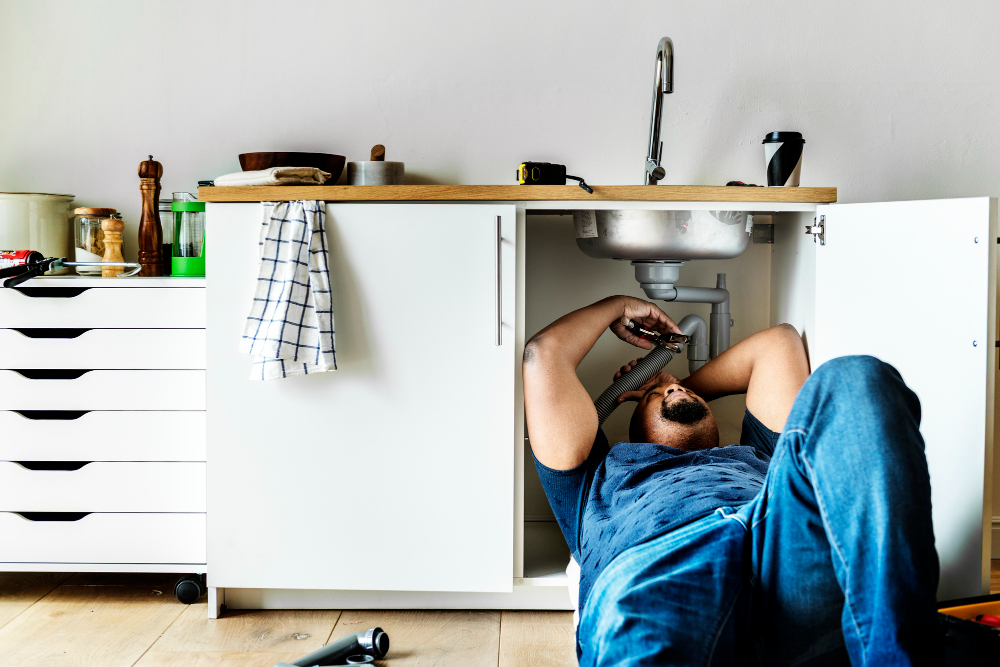
Have you ever opened your cabinet under the sink only to find a small pond forming? It’s a common scenario that can cause quite a stir in your daily routine. Let’s dive into the usual suspects behind those sneaky leaks and how you can tackle them!
1. Loose Connections
One of the most frequent offenders of leaks is loose connections. Over time, the nuts and fittings connecting your pipes can become slightly undone. A simple tightening might just do the trick!
Tip: Use a wrench to gently tighten the fittings. Just be careful not to overtighten, as that can create new issues.
2. Corroded Pipes
Older pipes, especially those made of metal, are prone to corrosion. This can lead to tiny holes and cracks that will eventually lead to leaks. If your plumbing system has seen better days, it may be time to consider replacements.
Actionable Insight: Consider switching to PVC or PEX pipes, which are less susceptible to corrosion.
3. Worn Out Seals and Gaskets
Seals and gaskets are like the glue that holds everything together. When they wear out or become damaged, they can cause leaks at the joints. If you notice a specific spot leaking, inspect those seals first.
Quick Fix: For visible issues, simply replacing the gasket can solve your problem. It’s a small investment that can save you from larger repairs down the line.
4. Clogs and Blockages
Sometimes, the culprit isn’t the pipes at all but the buildup inside them. A clogged drain can put pressure on your pipes, leading to leaks. Regular maintenance is key!
Tip: Use a mixture of baking soda and vinegar monthly to help keep your pipes clear and running smoothly.
5. Temperature Changes
Extreme weather can also affect your pipes. Cold temperatures can cause pipes to freeze and then burst when they thaw. Keeping your home adequately heated during colder months can help mitigate this risk.
Did You Know? Insulating your pipes can save you a world of trouble during the winter months.
Case Study: The Johnsons’ Kitchen Leak
Meet the Johnsons, who recently faced a leak under their kitchen sink. After a bit of sleuthing, they discovered that a simple tightening of the fittings resolved the problem. They also took the time to replace old, corroded pipes and apply some insulation. Now, their kitchen is leak-free!
What to Do If You Have a Leak
If you find yourself staring down a leak, don’t panic. Start by shutting off the water supply to prevent further damage. After that, grab a bucket to catch any dripping water while you figure out the best course of action.
Remember: When in doubt, consulting a professional plumber can save you time, money, and a lot of head-scratching!
Taking proactive measures and understanding these common causes can lead to a more stable and leak-free home. Regular maintenance and a proactive approach are keys to avoiding those unexpected waterworks!
So next time you check under your sink, feel empowered! Whether it’s tightening a screw or replacing a gasket, you have the tools to tackle those pesky leaks.